
Please Support Us
Your gift helps fund Biblephoria's free online courses and study materials.
Give Now- Home
- What Is Christmas?
- The Symbols of Christmas
The Symbols of Christmas
This season is filled with the symbols of Christmas. Why are they important? Glad you asked!
They remind us of the story of Christ’s birth and the hope He brings. These visible reminders point us back to God’s gift of His Son. They also help us celebrate the season with meaning beyond decoration or tradition.
Each symbol carries a message that can deepen our worship of God and our witness for Jesus Christ. Let's look at a few.
What Are the Symbols of Christmas?
Christmas Tree
Who doesn't love a lush, green Christmas tree? (Well, maybe the Grinch if he really existed!)
The evergreen tree, decorated with lights and ornaments, symbolizes eternal life in Christ. Its unchanging green through winter reflects the promise of life that never fades. The ornaments add beauty, reminding us of the joy and blessings God gives. The tree itself becomes a testimony that Christ’s life is everlasting.
Text: “I am the resurrection and the life.” (John 11:25)
Lights
It's interesting to note that light is a constant theme in Scripture. So it shouldn't surprise us that one of the symbols of Christmas refers to light.
Lights remind us that Jesus is the Light of the World, shining in the darkness. Every candle or string of bulbs points to His victory over sin and death. In a season where nights are long, the glow of lights becomes a powerful picture of hope. They proclaim that no darkness can overcome the light of Christ.
Text: “I am the light of the world.” (John 8:12)
Nativity Scene
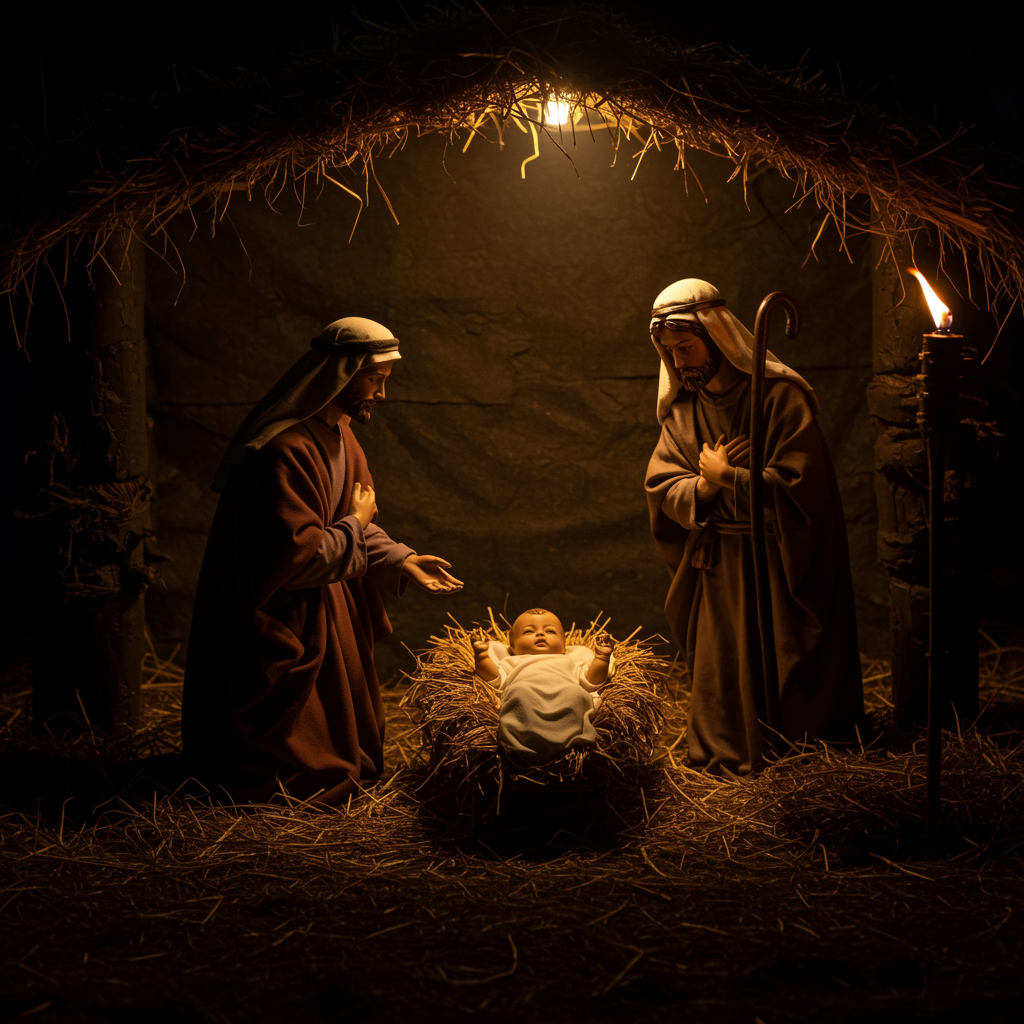
This mainstay symbol of Christmas sometimes shows in city squares or people's yards. The implication is obvious.
The nativity displays the humble birth of Jesus, with Mary, Joseph, shepherds, and angels gathered around the manger. It reminds us that God chose humility, entering the world as a child. God didn't come with pomp and circumstance. Just the opposite. He came as a humble servant! (See Philippians 2:8 for more.)
The shepherds show that the good news was first shared with ordinary people. The angels proclaim heaven’s joy. Each figure points to the wonder of Emmanuel, God with us.
Text: “She gave birth to her firstborn son and laid him in a manger.” (Luke 2:7)
Gift‑Giving
Our exchange of gifts reflects God’s ultimate gift of His Son. This, in turn, inspires generosity and love in us. After all, if the Father gave His Son, and Jesus gave His life, we should want to give just like God did!
While presents can be wrapped in paper and ribbon, the true gift of Christmas is Jesus Himself. Giving reminds us to love others as God has loved us, not out of obligation but out of joy. It is a practice that echoes the gospel in everyday life.
Text: “For God so loved the world that He gave His only Son.” (John 3:16)
Angels
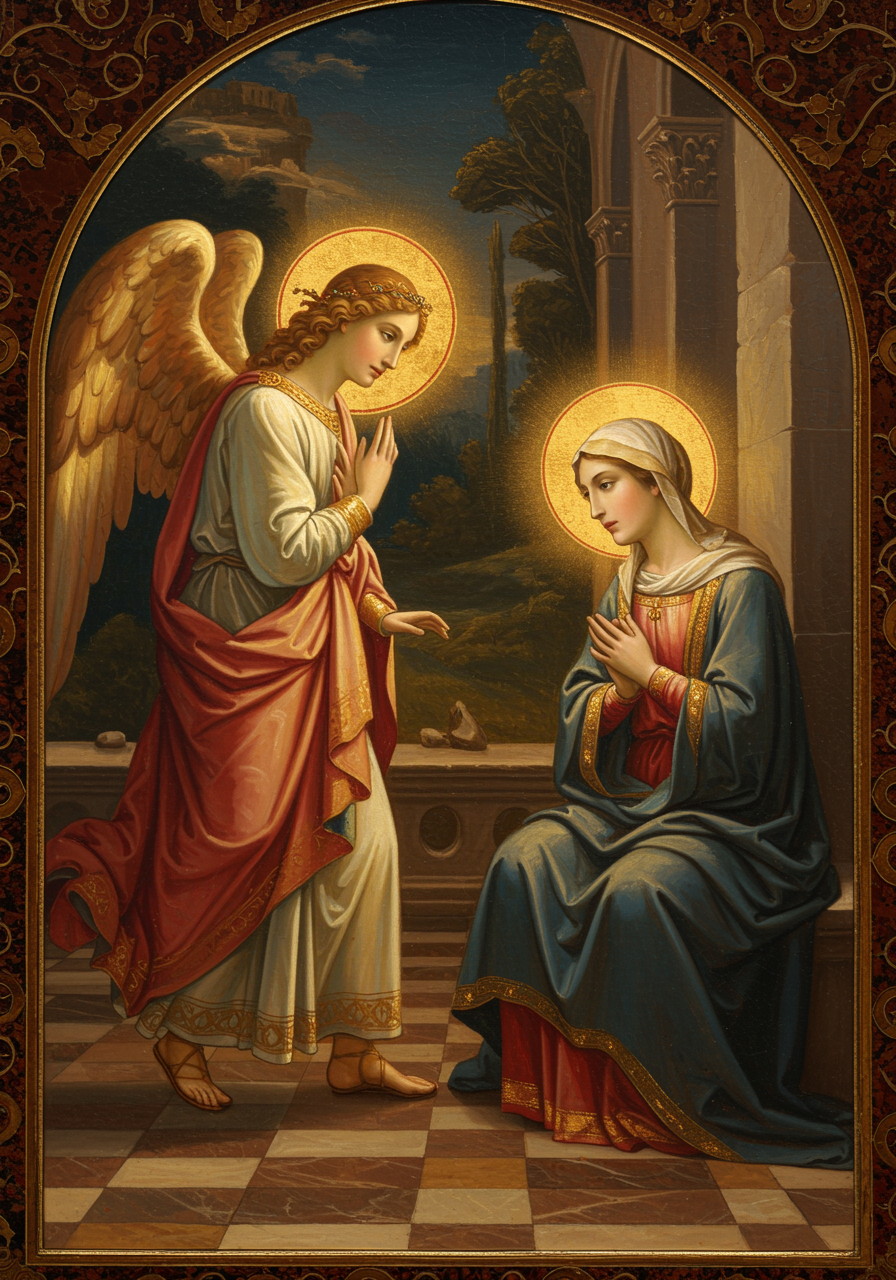
Let's talk a little more about angels. After all, they are a real mystery to us. To many, they are a very misunderstood symbol of Christmas.
Angels aren't cute little child-like creatures with wings and harps. Nope. They're much more awe-inspiring than that.
They are messengers announcing Christ’s birth, symbolizing divine proclamation and joy. Even with that, they still surprised some people. I mean, look at the reactions from Mary and the shepherds (Luke 1:26–29; Luke 2:8–9).
Of course, their message was Good News. Their herald to the shepherds, “Glory to God in the highest,” reminds us that salvation is cause for celebration. Angels also call us to join in their mission—to proclaim the Good News of Jesus to the world. They embody the joy of heaven breaking into earth.
Text: “I bring you good news of great joy.” (Luke 2:10)
Star of Bethlehem
The star guided the wise men to Jesus. By displaying it, we celebrate the guidance God gives to us and the fulfillment of God's promise that He would send His Son. It shows how God leads seekers to His Son, even from distant lands.
The star reminds us that Christ is the true guiding light. He draws people from every nation to worship Him (John 12:32; c.f. Luke 13:26). It fulfills the promise that the Messiah would be revealed to the world.
“Text: We saw His star when it rose and have come to worship Him.” (Matthew 2:2)
Wreath
The wreath, a circular evergreen, symbolizes eternity, hope, and victory through Christ. Its unbroken circle points to God’s eternal nature and the endless hope found in Him.
Hung on doors, it proclaims welcome and peace. This reminds us that Christ welcomes anyone who trusts in Him (Revelation 3:20).
Text: “Thanks be to God, who gives us the victory through our Lord Jesus Christ.” (1 Corinthians 15:57)
What Do We Do with the Symbols of Christmas?
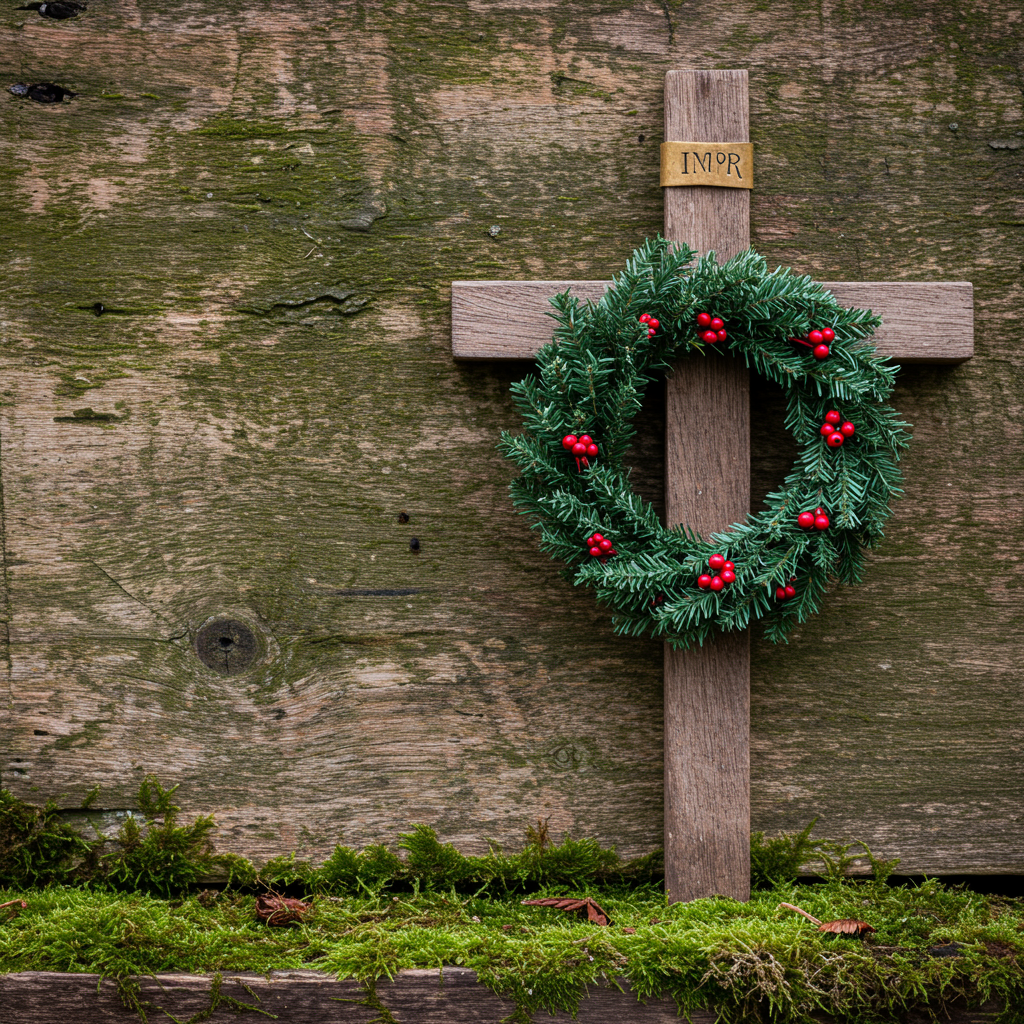
These symbols are just "things" if we don't understand that we must take action. You see, these "things" can, themselves, become the meaning of Christmas. That isn't good. That's idolatry. Symbols stand for something much greater, in this case, someone very important.
Christmas is all about Jesus Christ. It's all about the reason why He came. He came to die in our place for our sins so that we could be made righteous (2 Corinthians 5:21).
You see, if Christ really came during Christmas to die, shouldn't we ask what we can do to thank Him? This is the most important reason for the symbols of Christmas.
Which of these symbols speaks most deeply to you this season? How can you use them to point others to Christ? Each symbol is more than decoration. It is a testimony to Jesus Christ and His work on the cross.
As you see the symbols of Christmas in homes, churches, and communities, let them remind you of the story they tell. The Savior has come.
God bless.
Want more. Go back to the main Christmas page.
Home sweet home. That's the homepage!
Full disclosure: As an Amazon Affiliate, links to Amazon may earn Biblephoria.com a commission on qualifying purchases. This is just one of the things we do to support this cause. Thank you for your support.
Please Support Us
Your gift helps fund Biblephoria's free online courses and study materials.
Give NowRecent Articles


-
How Do I Obey God? Lesson 3
May 26, 26 08:41 PM
 How do I obey God? I mean, if I want to do it right, where do I start? Is there a right or wrong answer to this? Let's find out together.
 -
Can God Forgive My Sins?
May 19, 26 06:11 PM
Can God forgive my sins? Can He scrub away the guilt I feel and give me what I need? Forgiveness? Let's discover the answer to these questions together. -
Why Do I Feel Guilty?
May 07, 26 12:48 AM
Have you ever wondered "Why do I feel guilty?" Guilt is a constant in the human condition. But where does it come from? What takes it away? Let's find out.




Find our Privacy Policy and User Agreement here.