
Please Support Us
Your gift helps fund Biblephoria's free online courses and study materials.
Give Now- Home
- Free Online Bible Study Courses
- The Fruit of the Spirit Course
- Fruit of the Spirit Final Exam
Fruit of the Spirit Final Exam
(Bite-Sized Bible Course)

This is the final for our Fruit of the Spirit Bite-Sized Bible Course. Each section is a review of the lesson with a link to the full lesson.
The quiz at the end of this page is drawn from all the other quizzes taken to this point. If you haven't taken the full course, make sure you do that before you take this.
Ready? Okay. Let's do this!
Lesson 1 – Works of the flesh vs fruit of the Spirit

Galatians 5 calls the “works of the flesh” visible sins that flow from our old, sinful nature. When that flesh is “in the driver’s seat,” it shows up in thoughts, words, habits, and lifestyles that match Paul’s list rather than the Fruit of the Spirit. This is the difference between a flesh‑ruled life and a Spirit‑led life.
Those who practice the works of the flesh as a settled pattern aren't part of God's kingdom. This isn't because believers lose salvation whenever they sin. It's because a life that loves and lives in these things reveals an unrepentant, unbelieving heart. True Christians still sin and stumble, but they do not live comfortably in these sins. They grieve over them, hate to grieve the Lord, and increasingly “walk by the Spirit,” crucifying the flesh and learning to keep in step with Him.
Find the complete Lesson 1 here.
Lesson 2 – Love

Love is the first and central evidence that the Holy Spirit is at work in a believer’s life. It is not a vague feeling. It's a settled, self‑giving commitment to seek another person’s good for Christ’s sake. It fulfills God’s commands to love Him and our neighbor.
True Christian love begins with God’s love for us in Christ. It's shaped by Scripture’s standard of patience and kindness. Spirit‑produced love does not call evil good or indulge sin. It speaks the truth in humility with the aim of restoration, learning from Christ’s patience and mercy toward us.
Loving better starts closest to home. It's listening before responding, confessing our own sin first, and serving in unnoticed ways. It extends even to enemies, refusing to repay evil for evil and entrusting justice to God as we keep returning to the cross.
Find the complete Lesson 2 here.
Lesson 3 – Joy
The joy of the Lord is not a shallow feeling. It's a deep gladness that comes from God Himself, not from easy circumstances or natural optimism. It flows from who God is, what He has done for us in Christ, and how the Holy Spirit lives and works in His people.
This joy stands near the head of the Fruit of the Spirit because it grows naturally out of God’s love and grace and becomes real strength for believers. Throughout Scripture, joy is closely tied to salvation and God’s presence with His people.
In Christ, we know our sins are forgiven, our names are written in heaven, and our inheritance is kept for us. That's why believers can be “sorrowful yet always rejoicing." This joy can exist alongside tears because it's anchored in Christ’s finished work and the hope of glory, not in visible success or comfort.
Find the complete Lesson 3 here.
Lesson 4 – Peace
True peace does not begin with managing stress or changing circumstances. It begins with being made right with God through Jesus Christ. On our own, we are God’s enemies and under His wrath. Through Christ’s death and resurrection, God justifies even the “grossest” sinner and gives objective peace that does not rise and fall with emotion.
That peace with God is the foundation for every other experience of peace in the Christian life. From that foundation, Jesus gives His own peace to His people. It's a peace that remains even in the middle of trouble.
The world’s peace depends on quiet, comfortable circumstances. Jesus’ peace rests on His victory and His presence with us. As the Holy Spirit works in us, that peace grows like fruit, calming anxious hearts, changing our reactions, and moving us toward reconciliation, unity, and rest in God’s will as we practice peace in daily relationships.
Find the complete Lesson 4 here.
Lesson 5 – Patience
Patience is hard because our hearts naturally want our way. We want our own timing, with as little discomfort as possible. Left to ourselves, we drift toward everything but patience. Scripture calls this “the flesh.”
In a hurried world that pressures us with impatience, it's no surprise we quietly ask, “How can I be patient?” What's the answer?
God’s own patience and the gospel.
God has been patient with a rebellious world and with us personally. He uses His kindness to lead us to repentance instead of judging us immediately. Jesus lived the perfectly patient life we never could. He bore our impatience at the cross.
When we repent and trust Him, we are forgiven and given a new heart. Patience then becomes Spirit‑produced long‑suffering that bears with difficult people, endures hard situations, and refuses to retaliate as we walk by the Spirit.
Find the complete Lesson 5 here.
Lesson 6 – Kindness
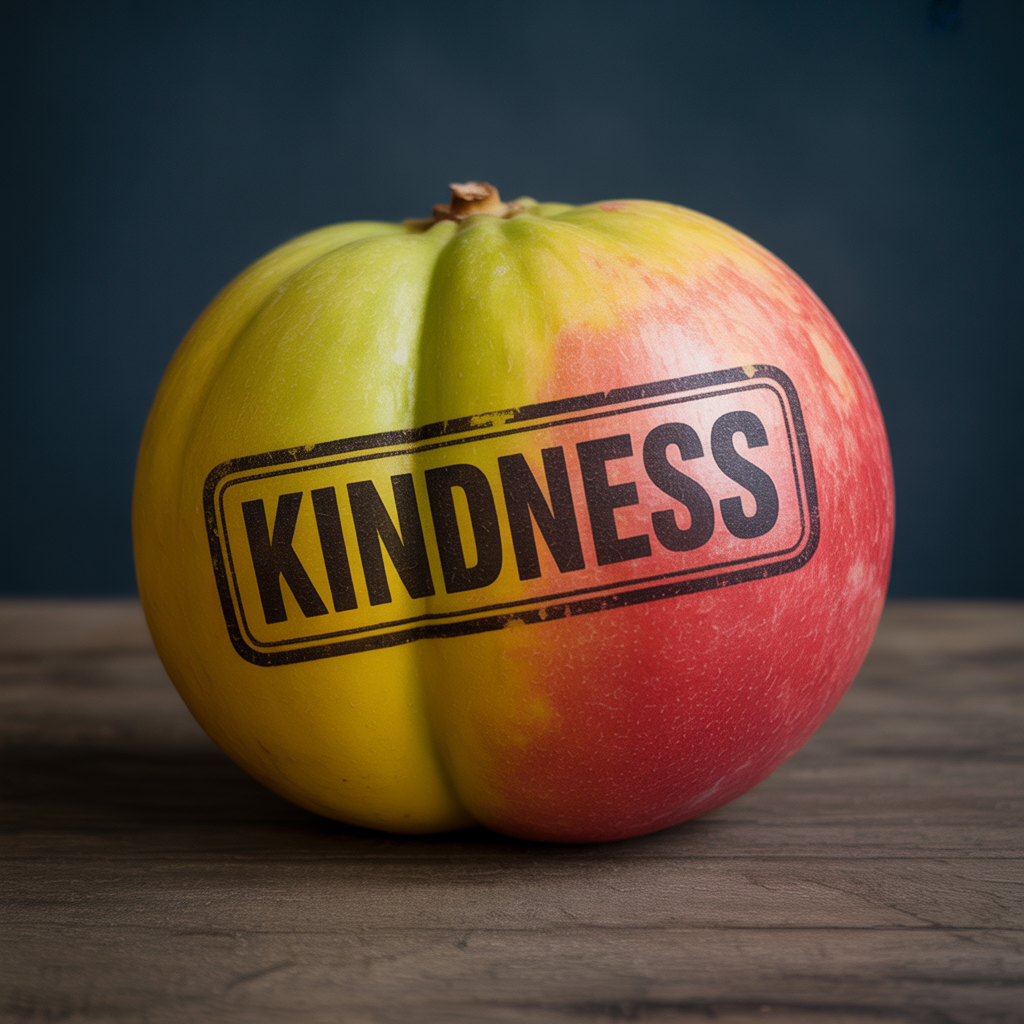
Real kindness does not start with our effort but with God’s own heart. God is kind even to the ungrateful and evil. His shocking kindness in the gospel drew us to Himself and holds us fast. In so doing, He turns kindness from a self‑improvement project into a grateful response.
Kindness, then, is a generous, active posture that moves toward others for their good, not a passing mood. Biblical kindness is love in action with a backbone. It's not just “being nice.” Scripture pairs it with compassion, humility, gentleness, patience, and forgiveness, and shows it in practical choices. It builds others up with words, shows hospitality, shares, and remembers those in need.
In the Fruit of the Spirit list, kindness appears as part of one beautiful cluster of Christlike character. The Spirit produces this fruit. Yet we are commanded to “put on” and practice kindness, trusting Him while we choose forgiveness over grudges.
Find the complete Lesson 6 here.
Lesson 7 – Goodness
Goodness begins with God Himself. Only God is truly good. That means real goodness is defined by His character, revealed in His Word, and displayed perfectly in Jesus. Jesus set the standard when He went about “doing good” with compassion, courage, and obedience.
In that sense, goodness is moral beauty that loves what God loves. It hates what He hates. It does what is right in His eyes rather than just being “nice” or outwardly religious.
Because our hearts are sinful and twisted, we cannot make ourselves truly good by trying harder or performing more good works. Even our best actions are shot through with mixed motives like craving approval, control, or comfort. True goodness begins when God gives us a new heart, unites us to Christ, and declares us righteous in Him. Then the Holy Spirit grows this goodness in us over time as we stay close to Christ and walk in the good works God has prepared.
Find the complete Lesson 7 here.
Lesson 8 – Faithfulness
Faithfulness is not mainly about big spiritual moments. It's about trusting God and staying loyal to Him over time because He has been so faithful to us in Christ. God keeps every promise He makes, climaxing in sending Jesus to live, die, and rise. Because of this, we are forgiven, adopted, and kept by Him forever.
Our faithfulness grows out of that security. It's not us earning a place with God. It's a response to the grace we already have in Jesus.
In everyday life, faithfulness looks like consistent obedience. It's indulging in Scripture, prayer, repentance, and life with God’s people, even when it feels ordinary or costly. It means holding to God’s Word when culture or our own feelings push back. It's following through on commitments. When we fail, we come clean, rest in Christ’s finished work, and ask the Spirit to steady us again.
Find the complete Lesson 8 here.
Lesson 9 – Gentleness/Humility
Humility is really about learning Christlike gentleness from the inside out. We look at Jesus, who invites weary people to take His yoke and learn from Him because He is “gentle and lowly in heart.” Watching how He receives sinners, answers foolish questions. It approaches the cross without lashing out.
We see that true humility is not being a doormat. It's seeing ourselves as God sees us and taking our rightful place under Him. Paul’s teaching about the works of the flesh and the Fruit of the Spirit shows how the flesh bends us toward pride, harshness, and score‑keeping. On the other hand, gentleness is supernatural fruit only the Spirit can produce.
Practically, we “come, learn, walk” under Jesus’ yoke. We sacrifice our proud reactions to Him. We learn from His gentle dealings with weak people. We choose the Spirit‑led response in real conflicts and interruptions.
Find the complete Lesson 9 here.
Lesson 10 – Self-control
Self-control isn't about us just trying harder. It's about the Holy Spirit steadying our minds and hearts. He does this so that we can respond to God’s voice instead of being yanked around by our impulses and desires.
The New Testament treats self-control as part of ordinary Christian living for every follower of Christ. It's not an optional extra. It shows up in calls to be clear‑headed and alert. We find it as qualifications for leaders. It's a mandate for how we handle our bodies, thoughts, and emotions, guarding us from spiritual drift.
In the Fruit of the Spirit list, self-control is the final trait and helps the others show up consistently over time. Those who belong to Christ have crucified the flesh with its passions and desires, so we no longer treat our desires as masters. In everyday practice, Spirit‑grown self-control often looks quiet and ordinary. With it, we pause, pray and choose a different path than we used to.
Find the complete Lesson 10 here.
Lesson 11 – Real vs fake fruit
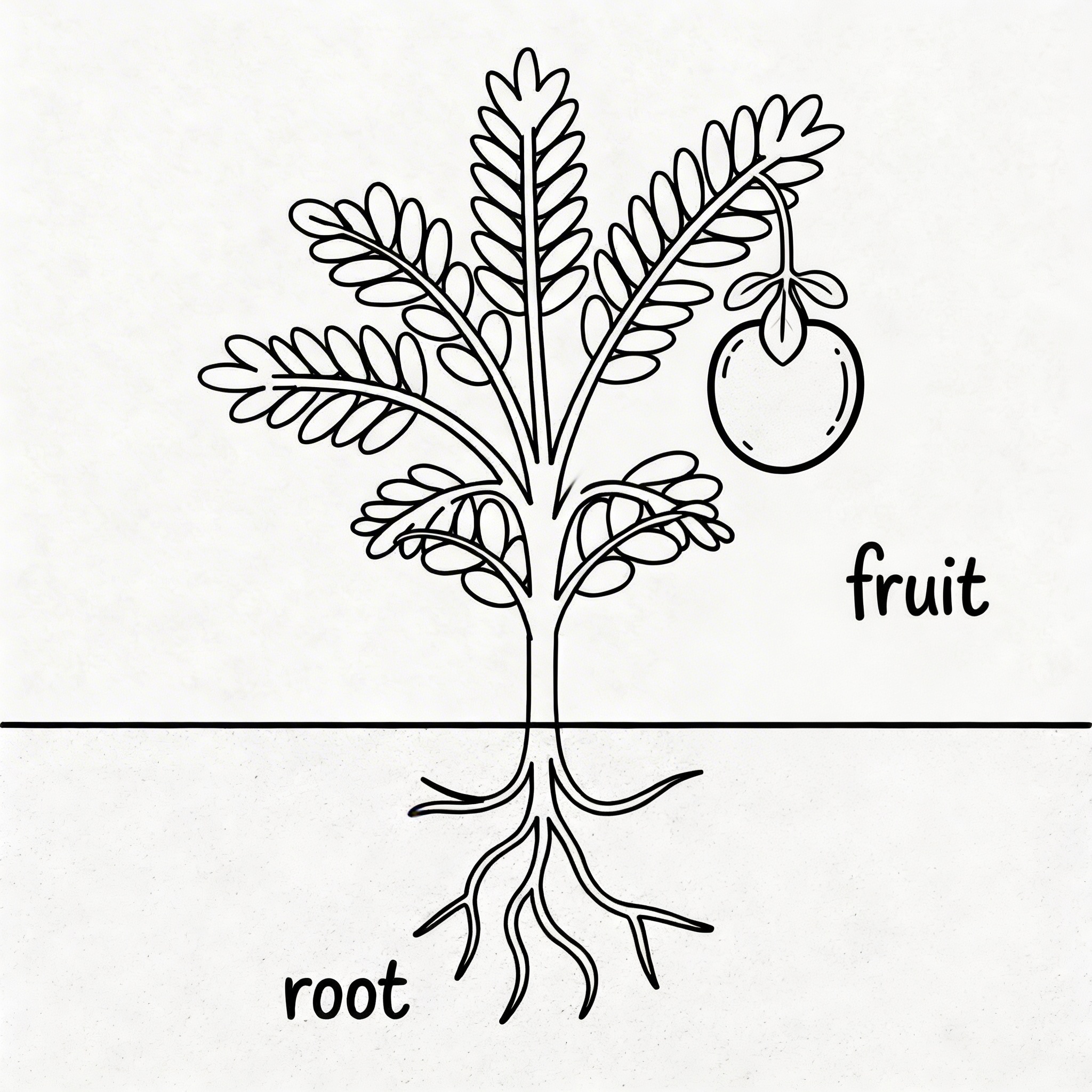
Can the Fruit of the Spirit be faked? Paul’s answer is “against such things there is no law.” What does that mean?
It means that the Fruit of the Spirit is exactly the kind of life God’s law always aimed at and never condemns. Every facet of the Spirit's fruit lives perfectly in harmony with His will.
Yet the same phrase exposes the law’s limits. The law can describe and approve such life. It can't change the heart or actually produce that fruit in people whose flesh is too weak to keep it.
Because of that, legalism becomes a dead‑end imitation. It falsely claims that it can deal with the works of the flesh by piling on rules and pressure. What it accomplishes is only stapling “plastic fruit” onto a tree still rooted in self. Real fruit grows as those who belong to Christ live by faith in Him and walk by the Spirit.
Find the complete Lesson 11 here.
Fruit of the Spirit – Final Exam
Review how the Spirit opposes the flesh and grows one unified Fruit of the Spirit.
Spirit
Course

That's it! Find more courses here!
Homesick? Maybe our homepage can help?
Full disclosure: As an Amazon Affiliate, links to Amazon may earn Biblephoria.com a commission on qualifying purchases. This is just one of the things we do to support this cause. Thank you for your support.
Please Support Us
Your gift helps fund Biblephoria's free online courses and study materials.
Give NowRecent Articles


-
How Do I Obey God? Lesson 3
May 26, 26 08:41 PM
 How do I obey God? I mean, if I want to do it right, where do I start? Is there a right or wrong answer to this? Let's find out together.
 -
Can God Forgive My Sins?
May 19, 26 06:11 PM
Can God forgive my sins? Can He scrub away the guilt I feel and give me what I need? Forgiveness? Let's discover the answer to these questions together. -
Why Do I Feel Guilty?
May 07, 26 12:48 AM
Have you ever wondered "Why do I feel guilty?" Guilt is a constant in the human condition. But where does it come from? What takes it away? Let's find out.




Find our Privacy Policy and User Agreement here.