
Please Support Us
Your gift helps fund Biblephoria's free online courses and study materials.
Give Now- Home
- Free Online Bible Study Courses
- The Fruit of the Spirit Course
- How Can I Be Good?
How Can I Be Good?
Lesson 7 -- Fruit of the Spirit
(Bite-Sized Bible Course)

How can I be good? Now there's an interesting question. The answer may surprise you.
This is Lesson 7 of our Bite-Sized Bible course Fruit of the Spirit. If you haven't taken the earlier lessons in this series, do so. This study is meant to be taken in order.
Also, we've provided a quiz at the end of this lesson to help test your mastery of the content. You'll be able to learn better if you take this quiz. Don't go on before you do.
How can I be good? Let's find out.
How Can I Be Good?
This question isn't an easy one. Goodness is a very confusing trait to some. A misunderstanding of it can lead to more damage than good.
So let's create a basic idea we can work out in the rest of this lesson.
Goodness isn't a personality upgrade we give ourselves. The Bible calls it a fruit the Holy Spirit grows in us as He unites us to Jesus and makes us more like Him (Galatians 5:22–23; Romans 8:29).
What “Goodness” Really Is

So do we really have to go to the Bible for an accurate understanding of goodness? The answer is yes. It's explained by Jesus Himself. Only God is good (Luke 18:19). If God is the standard, it follows that the best definition is found in God's Word.
Biblically, goodness is moral beauty that reflects God’s own character, not just “being nice” (Psalm 25:8; Exodus 34:6–7). It is doing what is right in God’s eyes. It demonstrates a heart that loves what God loves and hates what God hates (Romans 12:9; Amos 5:14–15).
This means goodness is rooted in who God is (Psalm 119:68). It's also revealed in what God does. The fact that He saves sinners, defends the weak, and keeps His promises shows how good He really is (Psalm 145:8–9; Titus 3:4–5).
But wait! There's more!
If we want to know what goodness looks like in human form, we look at Jesus. He went about “doing good” and healing, acting with compassion, courage, and obedience to His Father (Acts 10:38; Mark 1:41; John 4:34).
All of this gives us a good idea of what goodness is and helps us answer our question, "How can I be good?"
Why We Can’t Be Good on our Own
On our own, we are not neutral people who occasionally slip. Some teach that. But it simply isn't true. If that were true, someone by now would have figured out how to be good.
The Bible says we are sinners whose hearts are twisted and godless (Romans 3:10–12; Jeremiah 17:9). In other words, to be considered "good," we would have to be perfect. But no one is perfect but God. He's the definition of goodness (Luke 18:19)!
Even when we do outwardly good things, our motives are often mixed. Why do we do them? Maybe we're seeking approval, control, or comfort instead of God’s glory (Matthew 6:1–2; Romans 14:23). In these cases, we are acting out of selfishness, not goodness.
That's why Scripture ties true goodness to new birth and a new heart. God takes away the heart of stone, gives a heart of flesh, and creates believers in Christ Jesus to do good works (Ezekiel 36:26–27; Ephesians 2:8–10; Romans 5:1; 1 Corinthians 1:30).
How the Spirit Grows Goodness
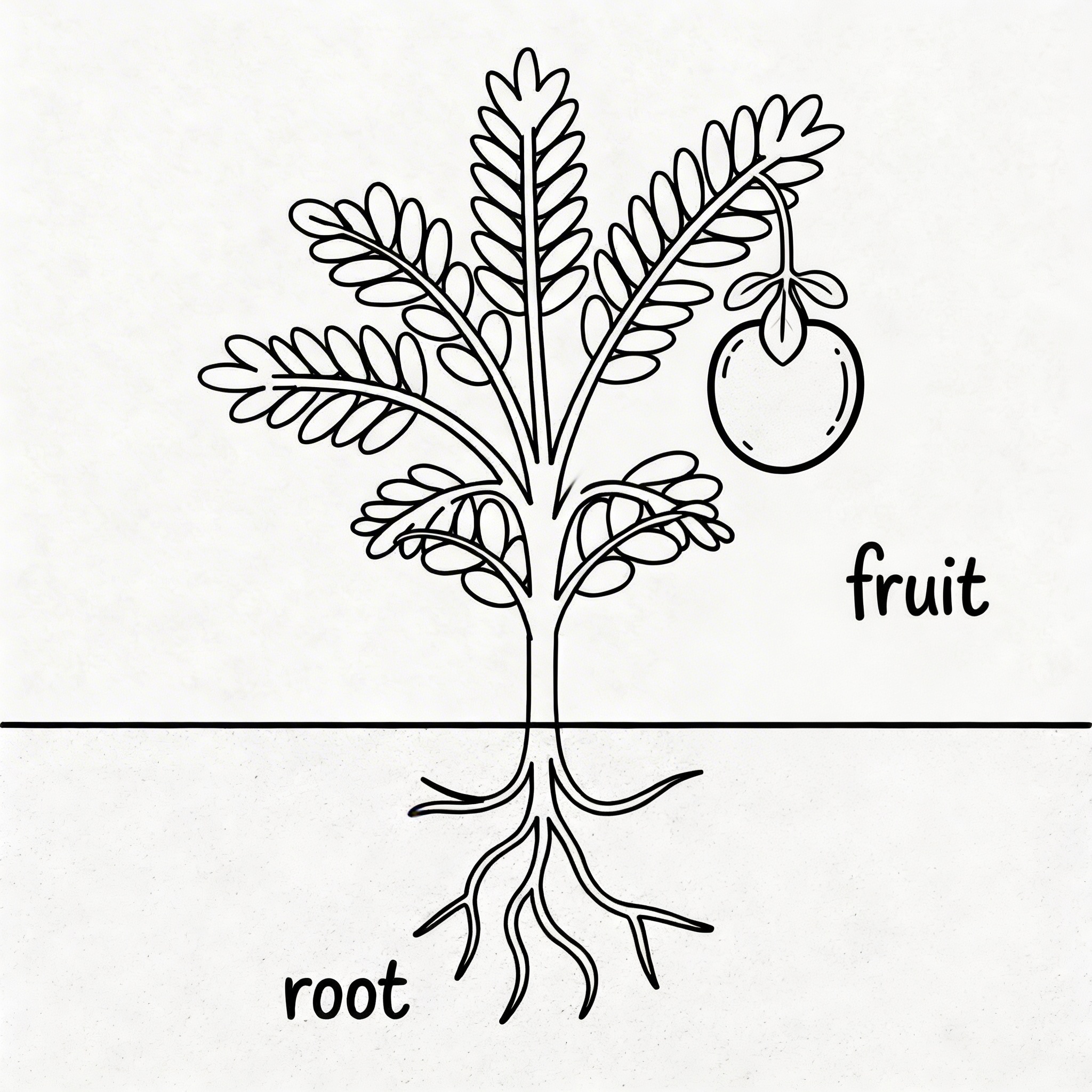
Let's clarify one fact. The fruit of goodness in Galatians 5 is not the way we get accepted by God. It's the evidence that we have already been accepted in Christ (Galatians 2:16; Galatians 5:22–25). The same Spirit who united us to Christ is the One who grows goodness in us over time (Galatians 5:16–18; 2 Thessalonians 2:13).
The Spirit grows goodness as He reveals Jesus through the Word so that we see and savor His beauty and moral excellence. He convicts us of sin so we can see where our “goodness” is fake, selective, or self-serving. He also strengthens our inner being so you can actually walk in the good works God prepared for us (2 Corinthians 3:18; John 16:8,14; Ephesians 3:16–19; Colossians 1:10–11).
This is why goodness is a "Fruit of the Spirit" and NOT "Fruit of Our Willpower." God's Spirit is truly the author of it.
Practicing Goodness in Everyday Life
Let's tackle one more possible misconception. Some might think that this means we don't do anything. Just sit back and let God produce the fruit, right?
Wrong.
Just because the Spirit is the One who produces goodness doesn't mean we are allowed to sit back and wait for it to appear. Yes, the Spirit grows the fruit. Also, yes, we strive to make that fruit grow.
How is this possible?
We actively walk in step with Him. As He grows us, we work to grow more (Galatians 5:25).
Our responsibility in this is real. But it isn't something we do in our own power. We're still dependent on His Spirit while still being responsible to practice goodness (Philippians 2:12–13).
Here are some concrete ways to practice Spirit-grown goodness:
- Examine your standard of “good" (Micah 6:8; Isaiah 5:20–21).
- Start showing goodness to the people right in front of you (Galatians 6:10; 1 Timothy 5:8).
- Keep going even when it is costly or unnoticed (Galatians 6:9; 1 Corinthians 15:58).
In all of this, the focus is not on being impressive but on reflecting the character of your Father, who is kind and good even to the ungrateful and the evil (Luke 6:35; Matthew 5:44–45).
If we want to correctly answer the question, "How can I be good?" we need to keep these things in mind.
How Can I Be Good Today?
When you ask, “How can I be good?”, the Bible’s answer is clear. It starts with who you are in Christ before it moves to what you do for Christ (Colossians 3:1–4; 2 Corinthians 5:17). You become truly good, in God’s sense of the word, as the Spirit applies the finished work of Jesus to your heart. After that, He will lead you to walk in obedience (Titus 2:11–14; Ephesians 2:10).
A simple daily pattern might look like this:
- Look: Fix your eyes on the goodness of God in the face of Jesus as you read or recall Scripture (Psalm 34:8; 2 Corinthians 4:6).
- Ask: Pray that the Holy Spirit will give you strength (Luke 11:13; Psalm 51:10–12).
- Act: Step into the specific good works in front of you, trusting that God is at work (Philippians 2:13; Romans 2:10; Matthew 12:35).
What does this mean? It simply means that you are living out the reality God has already begun in you (Ephesians 4:20–24; Galatians 5:22–25).
So step into it. Love God, and live it out. God bless.
Lesson 7 Quiz: How Can I Be Good?
Test what you’ve learned about goodness, how God defines it, and how the Spirit grows it as fruit.
Spirit
Course

Can't phone home? That's okay. Here's the homepage!
Full disclosure: As an Amazon Affiliate, links to Amazon may earn Biblephoria.com a commission on qualifying purchases. This is just one of the things we do to support this cause. Thank you for your support.
Please Support Us
Your gift helps fund Biblephoria's free online courses and study materials.
Give NowRecent Articles


-
How Do I Obey God? Lesson 3
May 26, 26 08:41 PM
 How do I obey God? I mean, if I want to do it right, where do I start? Is there a right or wrong answer to this? Let's find out together.
 -
Can God Forgive My Sins?
May 19, 26 06:11 PM
Can God forgive my sins? Can He scrub away the guilt I feel and give me what I need? Forgiveness? Let's discover the answer to these questions together. -
Why Do I Feel Guilty?
May 07, 26 12:48 AM
Have you ever wondered "Why do I feel guilty?" Guilt is a constant in the human condition. But where does it come from? What takes it away? Let's find out.






Find our Privacy Policy and User Agreement here.