
Please Support Us
Your gift helps fund Biblephoria's free online courses and study materials.
Give Now- Home
- Free Online Bible Study Courses
- The Fruit of the Spirit Course
- How Do I Show Love?
How Do I show Love Best as a Christian?
Lesson 2 -- Fruit of the Spirit
(Bite-Sized Bible Course)

"How do I show love better as a Christian?" Does this question sound familiar? Have you ever wanted to show love to others better?
That's what this course is all about. This lesson on love is the second lesson in an eleven-lesson set on the Fruit of the Spirit. This course will show you how to live the Christian life effectively.
If you haven't taken the first lesson on the works of the flesh, then click here.
Let's get into it. But first, don't forget to take the quiz at the end. It will really help solidify your knowledge of love. What's important is that you learn well what love and what it can do. Let's see what love can do.
How Do I show Love Better?
The first evidence that the Spirit is at work in a believer’s life is love (Galatians 5:22–23). Love stands first because it explains everything else in the list. It sums up the law and binds all the other graces together (Romans 13:8–10; Colossians 3:14).
But don't get me wrong. Love isn't a vague feeling. The world teaches that, not the Bible.
It's actually a settled, self-giving commitment to seek another person’s good for Christ’s sake. It truly is the completion of the law: "Love the Lord your God...love your neighbor" (Deuteronomy 6:5; Deuteronomy 6:5; Matthew 22:37–40).
What Christian Love Is

If you want to answer the question, "How do I show love better as a Christian?" you have to answer another question first: "What is love?" Let's look at this question.
In Scripture, the love the Spirit produces is not driven by attraction, convenience, or mutual benefit. It begins in the mind. It's a choice without anything expected in return.
Of course, it begins with Jesus. This love is the kind that God showed us when He sent His Son to die for sinners who deserved anything but love (John 3:16; Romans 5:6–8). There's no greater love than the kind Christ demonstrated on the cross (John 15:13).
Elsewhere, the Bible explains, “We love, because He first loved us” (1 John 4:19). Christian love begins with God’s prior love. It then flows out of our heart as it continues to be gripped by the gospel.
Paul describes this love in detail in 1 Corinthians 13. What is love? How can I love better? Here's the standard: Love is always patient and kind (1 Corinthians 13:4).
Simple. Right?
Maybe not. But there's more (1 Corinthians 13:4–5):
- It doesn't envy or boast.
- It isn't arrogant or rude.
- It doesn't insist on its own way.
- It's not irritable or resentful.
Those are the negatives. Here are the positives (1 Corinthians 13:6–7):
- It rejoices with the truth.
- It helps in every way.
- It trusts when trust is difficult.
- It always hopes.
- It endures everything necessary.
The Spirit’s work is to make this kind of love increasingly normal in the believer’s life. This is the standard. Divine? Yes. Lofty? No doubt. Necessary? Absolutely!
What Christian Love Is Not
Because this love comes from the Spirit, it can't be reduced to just being polite or avoiding conflict. That's compromise, not love.
It isn't indulgence that lets a brother or sister drift into sin without a word of warning (Galatians 6:1). It doesn't call evil “good” to keep people happy. It's love that is willing to speak the truth. Not in anger but always in humility and in the hope of restoration (Ephesians 4:15).
Love is also NOT just a natural personality trait. Some people are naturally gentle or easygoing. That isn't what we're talking about. Spirit-born love is rooted in Christ’s cross. It's shaped by God’s commands and directed toward God’s glory, not our own comfort or reputation (2 Corinthians 5:14–15).
How the Spirit Teaches Us to Love
This all assumes we have the Spirit of God spurring us on to love like this. This kind of love can't be had by human willpower. No matter how hard we try, we can't secure love like this. It takes God's Spirit to make this happen.
The Spirit teaches us to love by first by showing us Christ. Considering His patience with our sins. His kindness in pursuing us. His mercy in forgiving us again and again (Ephesians 2:4–7).
As that reality sinks in, our pride is humbled. Suddenly, we see ourselves as sinners. We realize that we are simply sinners like everyone else. We need the same grace as everyone else. This helps us see everyone as objects of God's love and our own love.
The Spirit also uses God’s Word and God’s people to shape our understanding of love. As we read passages like 1 Corinthians 13 and 1 John 4, we learn what love really looks like. We understand what it rejects. As we live in a local church, we are put in situations that expose our selfishness. These instances give us chances to practice forgiveness, patience, and sacrificial care.
How Do I show Love More in Daily Life?
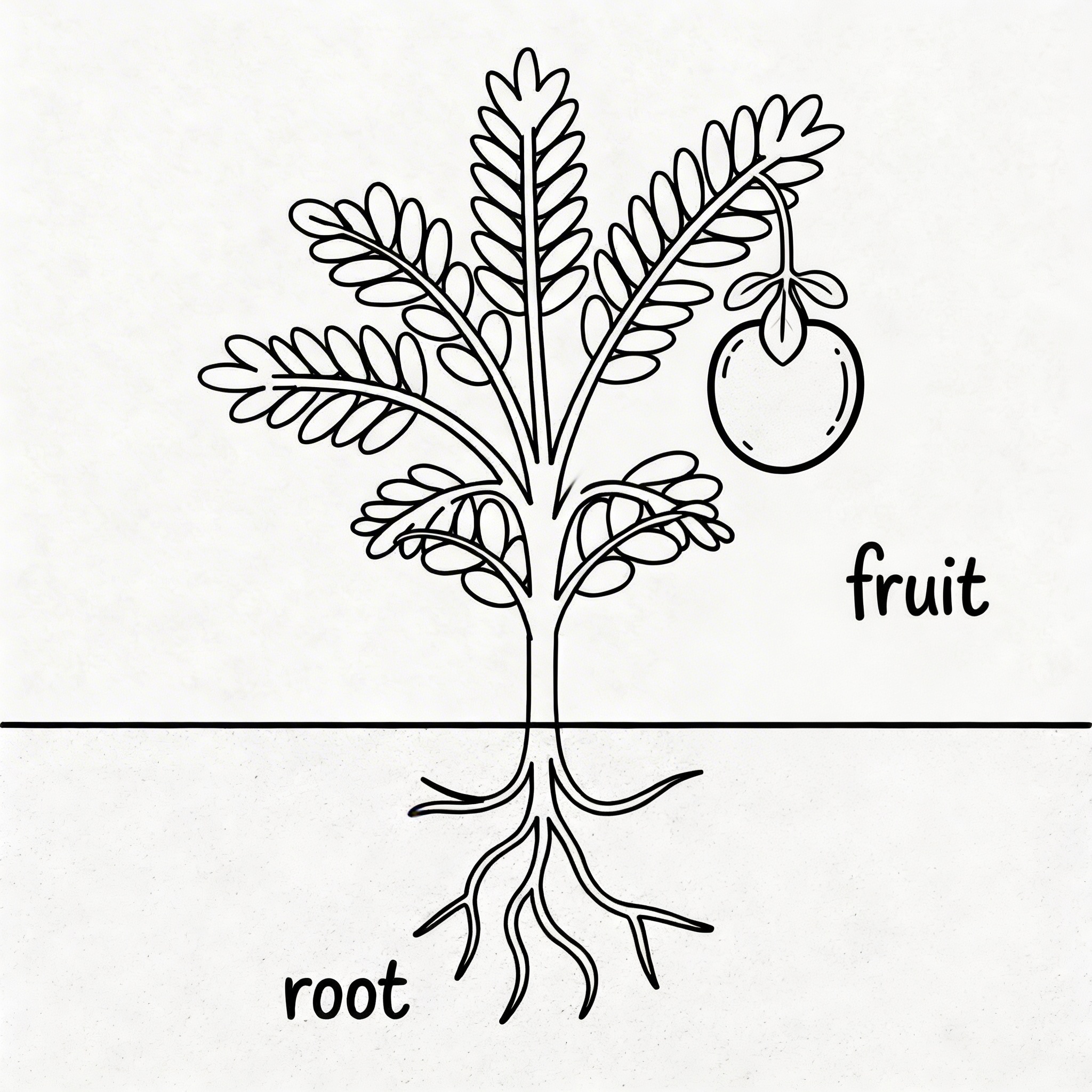
This doesn't mean we don't practice love. Although the Spirit is responsible for bearing fruit, we're responsible for carrying on the process. The root gives us the fruit which we enjoy.
Where do we start this process? We start at the most logical place. Showing love begins closest to home.
In our family, it may mean listening more before responding. It may mean confessing sin first. It could include serving unnoticed without demanding thanks (Philippians 2:3–4).
What could love look like in our church? It may mean welcoming those who are new or lonely when no one else does. It could include praying for those who are struggling. It always involves patience with brothers and sisters whose weaknesses inconvenience us (Romans 15:1–2).
Love also shows up in how we treat people who refuse to get along with us. Jesus commands us to love our enemies. He states that we should pray for those who persecute us.
In fact, we should love so much that we refuse to return evil for evil (Matthew 5:43–45; Romans 12:17–21). That doesn't mean we approve of sin or abandon justice. What it does mean is avoiding bitterness, seeking their good, and leaving vengeance in God’s hands.
How Do I Show Love When Love Feels Impossible?
Will there be people in our lives who seem impossible to love? Yes, certainly. We are sinners living in the land of sinful people.
Their sin may run deep toward us. Their anger may be real. In these situations, our own hearts may feel cold.
In those moments, we can only do one thing. We must realize that we can't produce this love on our own. We have to come again to the cross and unload everything at the feet of Jesus. We must confess our hardness and ask the Spirit to pour God’s love into our hearts (Romans 5:5).
Sometimes, the most honest act of love we can offer is to obey God in small, careful steps. As we do, we must continue asking Him to change our feelings.
We may choose to pray for them daily. We may strive to speak kindly instead of sharply. Or we may choose to serve them in one practical. When we do this, we humbly wrestle with our own emotions and the pain inside. Over time, the Spirit often uses simple obedience to soften our hearts and make genuine affection grow inside of us.
So How Do I Show Love Better?
Let's check our own hearts for a moment. What do you want to accomplish in loving others better?
If you want to know whether the Spirit is at work in you, start by asking how you relate to God’s people. John says that the one who loves God must also love his brother (1 John 4:20–21). A professed love for God that has no patience, kindness or generosity toward others is not the fruit of the Spirit.
Will you fail sometimes in this pursuit? Yes. Absolutely! The best of us will, from time to time.
What this means is that, over time, your direction changes. You find yourself more easily moved by the needs of others, showing kindness to them. You're more ready to forgive and more eager to give rather than to grasp. Where that kind of love is growing, even slowly, the Spirit is at work. He isn't finished with any of us yet.
How do I show love better? Only with God's help.
God bless.
Lesson 2 Quiz: How Can I Love Better?
Test what you learned about Spirit-produced love and how to show it in daily life.
Spirit
Course

Click here if you want the next lesson.
Want to go back? Here's the Fruit of the Spirit page.
Onward, homeward? Here's the homepage!
Full disclosure: As an Amazon Affiliate, links to Amazon may earn Biblephoria.com a commission on qualifying purchases. This is just one of the things we do to support this cause. Thank you for your support.
Please Support Us
Your gift helps fund Biblephoria's free online courses and study materials.
Give NowRecent Articles


-
How Do I Obey God? Lesson 3
May 26, 26 08:41 PM
 How do I obey God? I mean, if I want to do it right, where do I start? Is there a right or wrong answer to this? Let's find out together.
 -
Can God Forgive My Sins?
May 19, 26 06:11 PM
Can God forgive my sins? Can He scrub away the guilt I feel and give me what I need? Forgiveness? Let's discover the answer to these questions together. -
Why Do I Feel Guilty?
May 07, 26 12:48 AM
Have you ever wondered "Why do I feel guilty?" Guilt is a constant in the human condition. But where does it come from? What takes it away? Let's find out.




Find our Privacy Policy and User Agreement here.