
Please Support Us
Your gift helps fund Biblephoria's free online courses and study materials.
Give Now- Home
- When Was the Earth Created?
- Did God Create Everything?
Did God Create Everything in Six Days? -- Lesson 1 (Earth's Age Mini-Course)
As we begin this mini-course on the age of the Earth, let's ask another question: "Did God create everything in six days?"
Of course, the best place to go first to answer this is the Bible. So we're going to focus on the biblical evidence as we answer the question "Did God create everything?"
Did God Create Everything Like Genesis 1 Says?
To begin our learning journey, let's focus on what the Bible actually says about creation. This will take us to the Book of Genesis to see what really happened. It will also take us into the New Testament to see what other said about creation.
Let's take a look at it now.
Key texts: Genesis 1:1; Genesis 1:31–2:3; Psalm 33:6–9.
1. Starting Where the Bible Starts (Genesis 1–2)
The Bible makes a good starting place, if you really want to try to determine the age of the Earth. It takes us back to the beginning of it all. Genesis, the first book of the Bible, takes us to creation (Genesis 1:1).
That's when things get exciting. God creates everything, day by day, simply by speaking them into existence. He fills out all creation in six days. What's most interesting is that each day was marked by the statement “And there was evening and there was morning, the first… second… third… day, etc.” (Genesis 1:5; Genesis 1:8; Genesis 1:13; Genesis 1:19; Genesis 1:23; Genesis 1:31).
The narrative seems to communicate one thing. God created everything in six days. Each statement emphasizes a natural rhythm as it shouts, “evening and morning.”
This has led many to believe that the Bible naturally communicates ordinary, bounded days. The text ties these days to God speaking, acting, and declaring each stage “good” and, finally, “very good” (Genesis 1:31).
In other words, the most natural understanding of the creation narrative is that the Earth was created in six literal 24-hour days.
What seals it all is how God pronounced creation after every day. It wasn't just so-so. It wasn't "good enough." God said that it was "good."
In God's economy, that means it couldn't get any better. No sin. No death. No problems. This point will play prominently in our discussion later.
Key references: Genesis 1:1–31; Genesis 2:1–3.
2. Beyond Genesis: What Does Exodus Say?
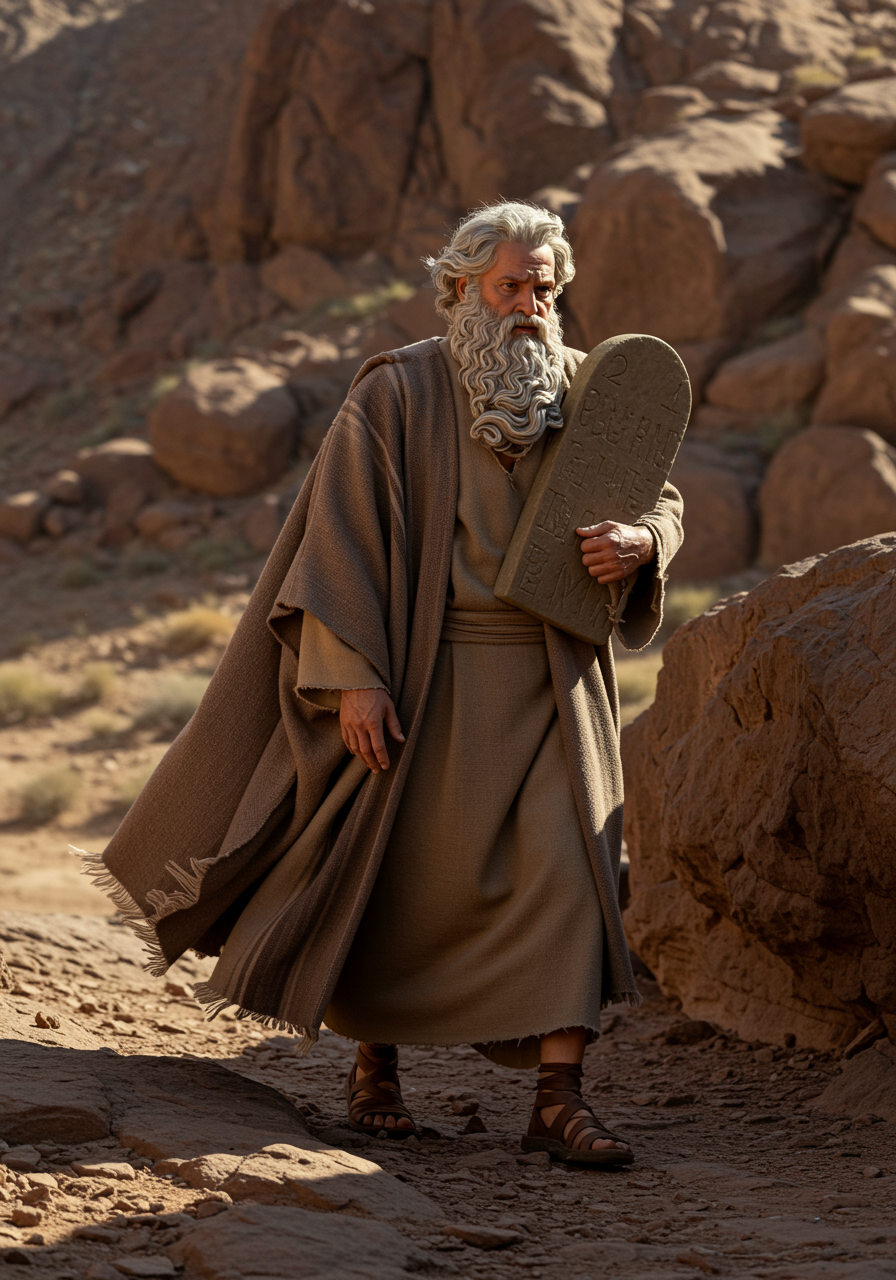
Genesis 1 isn't the only reason we believe that God created everything very quickly. Other places in the Bible give strong evidence that these were six literal days.
The Ten Commandments are a great example of this. The fourth command instructs Israel to work six days and rest on the seventh. God called this the Sabbath.
Why would God ask Israel to do that? For one thing, He knew they needed rest. He didn't want His people dropping in the ditch from exhaustion.
There's another very important reason why God wanted them to stop their work on the seventh day. That's why He did. God worked, creating everything, for six days. The text tells us that He "rested on the seventh day" (Genesis 2:2).
The Ten Commandments confirm this. It quotes that very verse to prove how important it was for Israel to observe that command. "God did it. So should you!" (Exodus 20:11).
Now let's think about this for a second. If God commanded Israel to do what He did, then the six days of creation must be literal days. After all, God wasn't asking Israel to work six thousand, six million or six billion years before they could rest. He told them to work six literal days and rest on the seventh, the Sabbath Day!
The proof doesn't stop there. Exodus 31:17 also roots Israel’s weekly rhythm in God’s own pattern. That pattern remains the same. Six days of work, one day of rest. There's no analogy that makes sense or explains anything less than literal real days in Genesis 1.
Moses never asked when the world was created. Israel never asked.
Why?
The facts are clear. All this points to one conclusion. God created the entire physical universe in six literal days. The Earth is young.
Key references: Exodus 20:8–11; Exodus 31:16–17.
3. The Creation Narrative in the New Testament
This is all well and good, but does the the rest of the Bible answer the question "Did God create everything?" the same way?
Let's find out.
Jesus on Creation
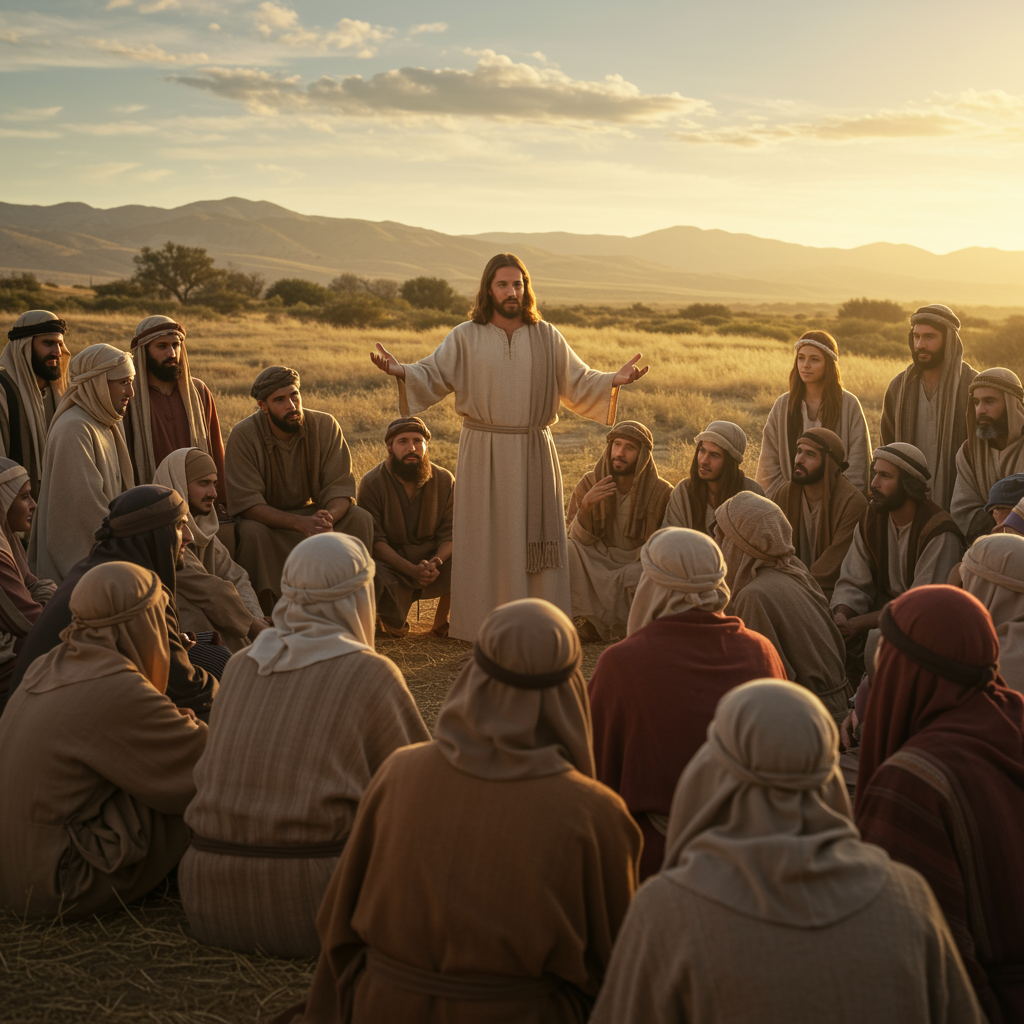
Let's start with the most credible source, the sinless Son of God, Jesus.
Let's look at this from an unusual standpoint.. Let's use marriage as proof that the Earth is young.
Okay. So that sounds a little strange. Hear me out. It's some of the best proof that God created everything in six days.
In the gospels, Jesus fields a question about divorce. When He answers this, He starts from what He calls "the Beginning." What existed in "the beginning" Jesus speaks of?
Marriage! Of all things, Jesus says that marriage existed "in the beginning" (Matthew 19:3–9; Mark 10:6–9).
This presents problems for people who feel the "days" mentioned in Genesis 1 are long ages. If man evolved, He couldn't be there "in the beginning." Certainly, marriage wouldn't be there!
The Earth must be about the same age as human beings.
Paul on Creation
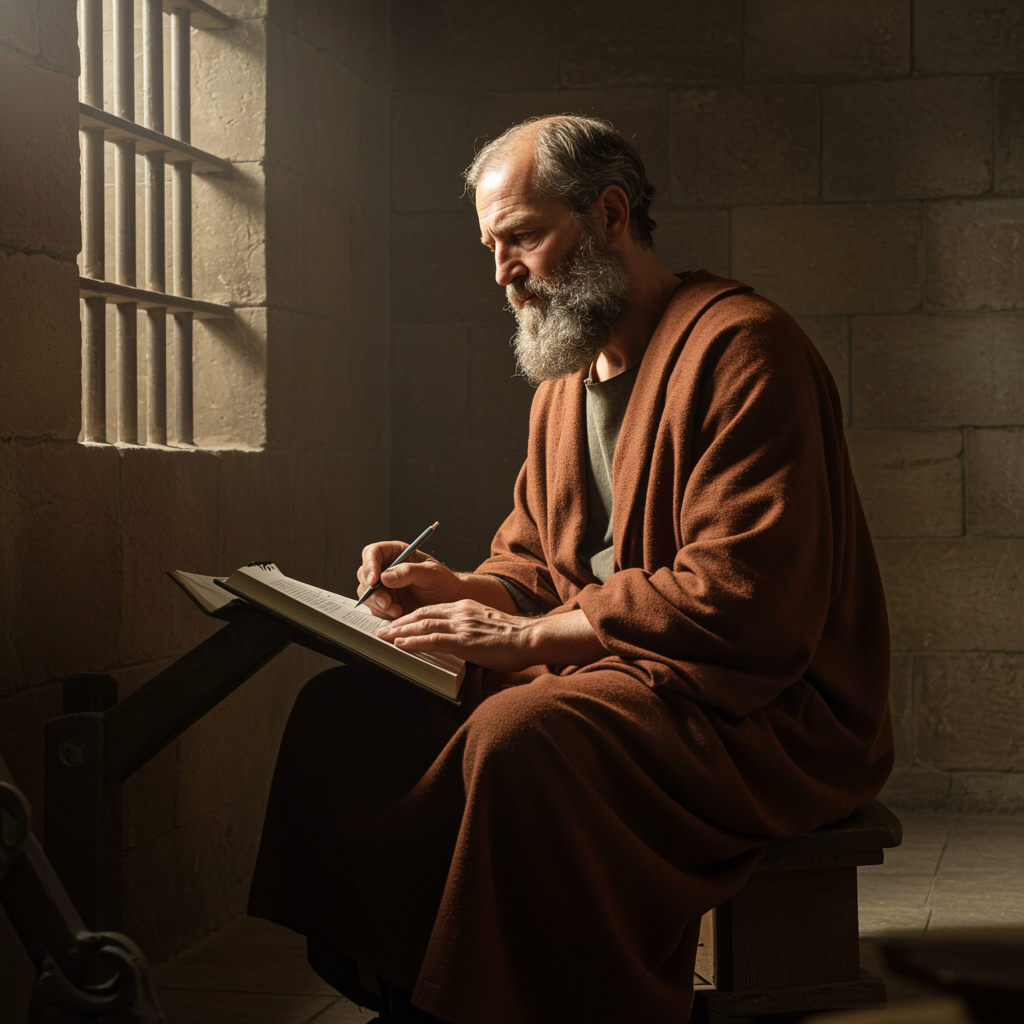
Paul has a lot to say about the age of the Earth, too. No, he doesn't give us exact dates. What he does give us should intrigue us.
Paul taught a lot about salvation in his letter to the Romans (and other places, too). We find that he presents everyone as sinners (Romans 3:23). He develops that theme thoroughly. By the time we get to chapter five in Romans, we can see where he's going.
And that's when he says it. He makes a statement about Adam and Christ. Do you know what he said?
He said that death entered the world through one man and the cure for death, life, through one man (Romans 5:12–19; c.f. 1 Corinthians 15:21–22).
Although Paul didn't say the quiet part out loud, we can. He implied that there wasn't a lot of time between creation and Adam. After all, if sin entered when Adam fell, how could there be death that would allow for evolution and "survival of the fittest"?
Paul never asked when the world was created. He knew the truth because the facts are clear.
Paul's statement puts the discussion to rest. The Earth is relatively young.
Key references: Mark 10:6–9; Romans 5:12–19; 1 Corinthians 15:21–22.
4. Theistic Evolution: A Fair Contrast or False Creation?

So, before we move forward, let's talk a little more about theistic evolution. That's the theory we mentioned earlier. As promised, we'll see if this idea meets the challenge.
Theistic evolution seeks to reconcile the biblical record with "modern science." The modern science, of course, is evolution.
Instead of six literal days in Genesis 1, theistic evolution interprets "days" as large expanses of time. Instead of 24-hour days, they understand them as undetermined periods of time.
This means that the Earth could be hundreds of thousands or even millions of years old. We don't know for sure. These are undetermined periods of time!
Not only is the creation narrative questioned, but The Fall is also treated as suspect (Genesis 3:1-7). At the very lease, Genesis 3 doesn't fit with Genesis 1-2 because the narrative wasn't meant to be chronological.
In other words, these aren't historical narratives. They're fun stories to make a spiritual point.
The problems pile up with this theory. Where do we start?
We'll talk about this in more detail in Lesson 2. For now, we see some of the shortcomings of theistic evolution by simply studying the evidence the Bible gives us.
Key references: Genesis 1:31; Genesis 2:17; Genesis 3:17–19; Romans 8:20–21.
So Did God Create Everything?
So once more we want to answer our question: "Did God create everything in a literal way like Genesis tells us?"
The answer we will propose going forward is an unwavering yes.
After all, if it didn't happen the way God put it in Genesis 1, then even our salvation gets called into question. What do we do with sin if death came about through ages of time?
You see, there really isn't any question about it. Creation appeared just like God said. Sin entered the world, just like God said.
We are sinners who need a Savior, just like God said (Romans 5:8).
Have you accepted that truth? Do you know you're a sinner in need of a Savior? have you accepted Christ?
If you haven't, do that today.
God bless.
Did God Create Everything?
Test your understanding of six‑day creation, Jesus and Paul’s teaching, and why theistic evolution doesn’t fit the text.
Your Progress
- Six days of creation, each marked by evening and morning.
- God’s pattern of six days of work and one day of rest.
- Jesus and Paul treat Genesis as real history, not a fable.

Ready for Lesson 2? Click here to continue this course!
Click here to find more lessons about the Earth's age.
Onward, homeward! Here's the homepage!
Full disclosure: As an Amazon Affiliate, links to Amazon may earn Biblephoria.com a commission on qualifying purchases. This is just one of the things we do to support this cause. Thank you for your support.
Please Support Us
Your gift helps fund Biblephoria's free online courses and study materials.
Give NowRecent Articles


-
How Do I Obey God? Lesson 3
May 26, 26 08:41 PM
 How do I obey God? I mean, if I want to do it right, where do I start? Is there a right or wrong answer to this? Let's find out together.
 -
Can God Forgive My Sins?
May 19, 26 06:11 PM
Can God forgive my sins? Can He scrub away the guilt I feel and give me what I need? Forgiveness? Let's discover the answer to these questions together. -
Why Do I Feel Guilty?
May 07, 26 12:48 AM
Have you ever wondered "Why do I feel guilty?" Guilt is a constant in the human condition. But where does it come from? What takes it away? Let's find out.




Find our Privacy Policy and User Agreement here.