
Please Support Us
Your gift helps fund Biblephoria's free online courses and study materials.
Give Now- Home
- What Are Christian Holidays?
- The Sanctity of Human Life
Sanctity of Human Life
There's a lot flying around these days about the so-called "sanctity of human life." Others will go a step further and say that life is "sacred." Many find this kind of phrasing confusing.
Are you one of them? Have you asked questions like, "What does it mean that life is 'sacred'?"
We're going to tackle this topic because it's important to understand this important issue. Before we can do this, we'll need to study what it means that life is sacred and why some run with the idea of the sanctity of human life.
So let's jump into this topic and see why it's so important.
The Issue of the Sanctity of Human Life
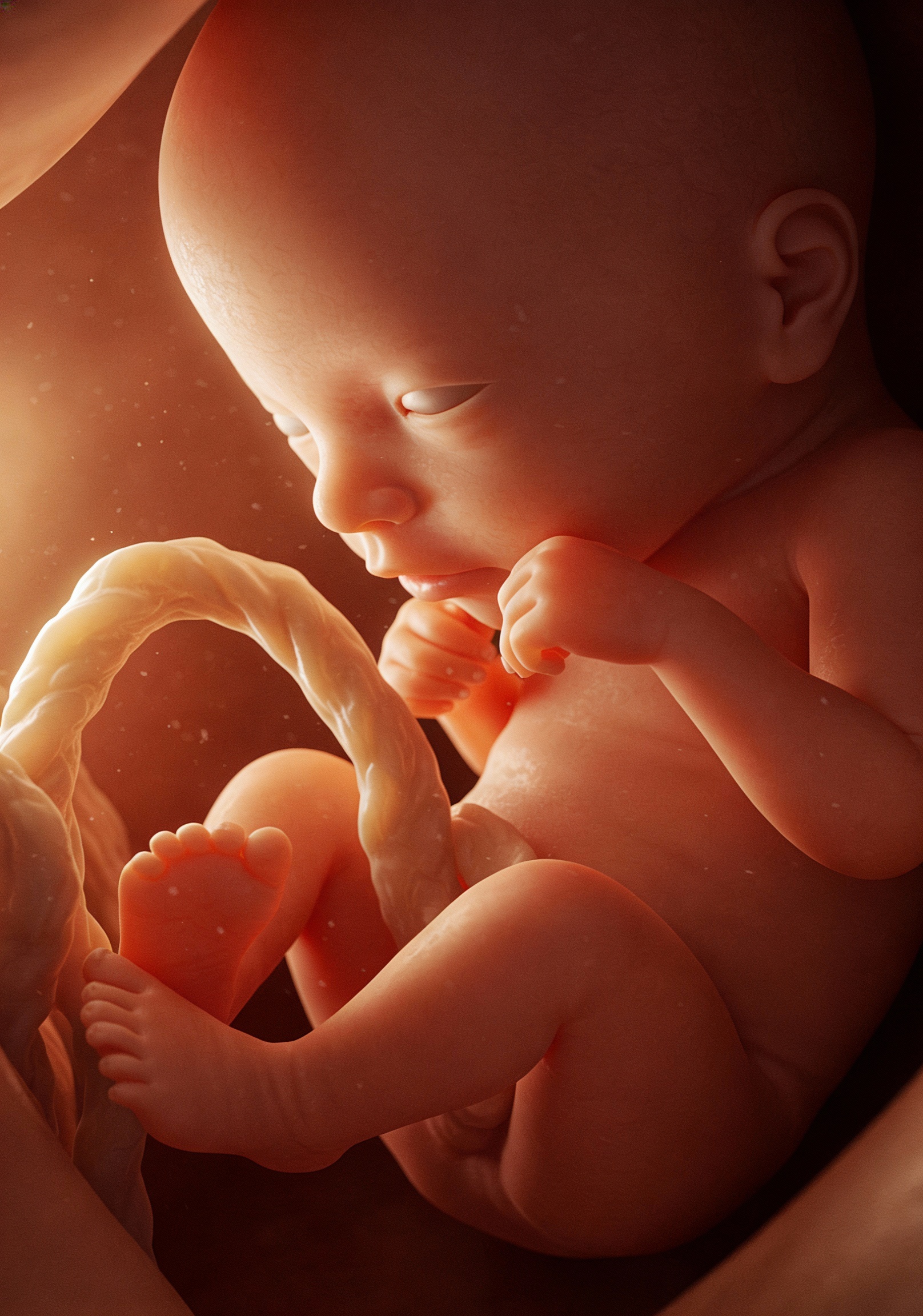
Sanctity of human life is not just a social or political issue. It's rooted in the character of God and the way He created human beings (See Genesis 1:26–27; Genesis 2:7 for more).
When we understand it in the light of God's Word, human life becomes more than just ordinary life. Human life, all of it, becomes sacred. Christians are called to think and live in light of that truth (Psalm 139:13–16; Jeremiah 1:5).
This will influence how we view other issues. We'll see abortion as the taking of innocent, valuable life. We'll view the elderly as valuable simply because they are uniquely created beings. Those with disabilities aren't mistakes. They are beautifully crafted creations of God.
When viewed properly, all life, big or small, takes on new meaning, and with it, value.
The Sanctity of Human Life in the Bible
The Value of Human Life in Creation

Human life is unique because we are made in the image of God. We aren't merely advanced animals but are created in a special way (Genesis 1:26–27; Psalm 8:4–6). In Genesis, God breathed into Adam “the breath of life,” and he became a living soul.
This gives us a connection to God that no other creature has (Genesis 2:7). This simply means that human life is set apart by God and must not be treated as disposable or merely a matter of personal convenience (Genesis 9:6).
From the first pages of the Bible, humans are created “in the image of God." We are given a unique calling to represent and reflect him in the world (Genesis 1:26–28). God’s personal act of breathing life into man shows that human life is a gift granted by God alone. Because of this, it belongs to him, not to us (Genesis 2:7; Acts 17:25).
If human beings bear God’s image, then the question of abortion, euthanasia, and other life issues is not “What do I want?” It becomes “How do I treat what God has uniquely created in His image?” (Genesis 9:6; James 3:9).
God’s Warning Against Shedding Innocent Blood
After the flood, God gave Noah and all his descendants a universal command about human bloodshed. It was simple. Whoever sheds human blood will answer to God.
Why?
The Bible tells us “for in the image of God has God made mankind” (Genesis 9:5–6). This makes the taking of innocent human life a direct assault on God’s image. He in no way frames it as a private moral choice (c.f. Proverbs 24:11–12).
This principle reaches beyond any culture or nation. It's universal because the image of God is universal. It touches all humanity and frames how Christians must think about the deliberate destruction of any innocent human life (c.f. Romans 13:9–10).
“You Shall Not Murder” and the Value of Life
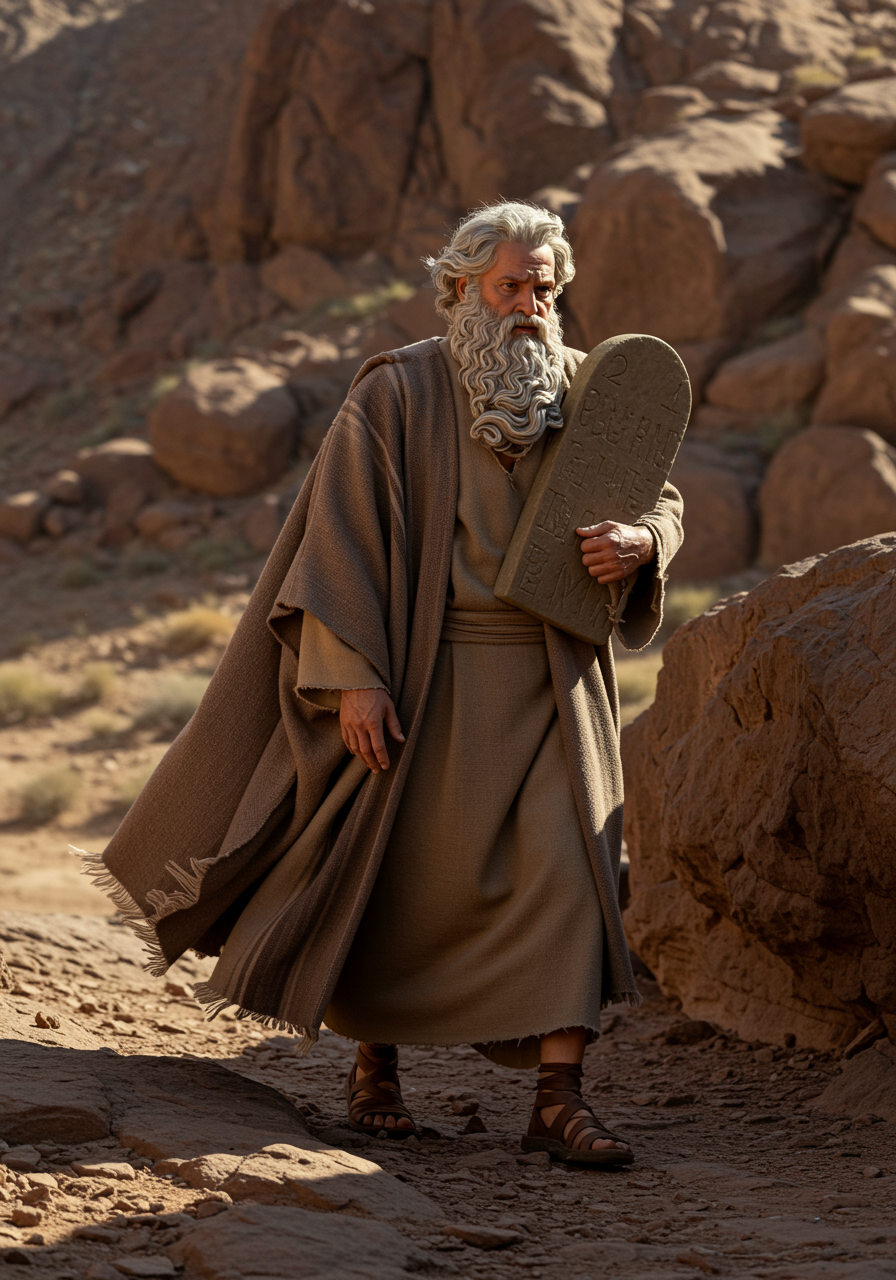
This idea of the sanctity of human life is also found in the Ten Commandments. “You shall not murder” isn't the best way to translate this idea. The old KJV is more ambiguous but closer to the truth: "Thou shalt not kill." Not all wrongful killing is murder. But all wrongful killing is wrong and steps over God's lawful line.
In that moment, God made a clear and simple boundary around human life (Exodus 20:13; Deuteronomy 5:17). The Mosaic Law then builds on this command with case laws that treat intentional killing of the innocent as a grave offense. In those cases, the Law demanded extreme penalties (Numbers 35:9–21; Deuteronomy 19:10–13).
Scripture never treats innocent life as a resource to be traded. It doesn't see it as something that can be exchanged for the sake of convenience or opportunity. Life is protected because it belongs to God alone (Psalm 82:3–4).
Disabilities and an Able God
When Moses objected that he was “slow of speech and tongue,” God answered by asking him who created those with disabilities (Exodus 4:10–11). God reminded Moses that everyone, including those with disabled bodies, exists under his wise, sovereign hand.
No one is an accident outside his control (Psalm 139:13–16). We are all planned, wanted, valuable lives, regardless of our abilities.
What does this mean?
First, people with disabilities are not “less human” or “mistakes.” God intended them to be who they are for His own glory.
Also, they don't have to be fully-functional in society to be "useful." Their usefulness is found in God's sovereign will.
Finally, they are full image-bearers whom God himself fashions and calls (c.f. Genesis 1:26–27; Jeremiah 1:5). They have value because God gives them value.
Jesus and the Sanctity of Human Life
Jesus and Disabilities
In the New Testament, Jesus continued this discussion, reinforcing the idea of the value of human life. When He was asked about a man born blind, He rejected the idea that disability is simply a punishment. Instead, He explained that this happened “that the works of God might be displayed in him” (John 9:1–3).
The same Lord who makes the mute, the deaf, the seeing, and the blind glorifies Himself through their unique situations. No disabled person—born or unborn—can be treated as expendable without denying the Lord who made them (Exodus 4:11).
Jesus, Murder, and Love of Neighbor
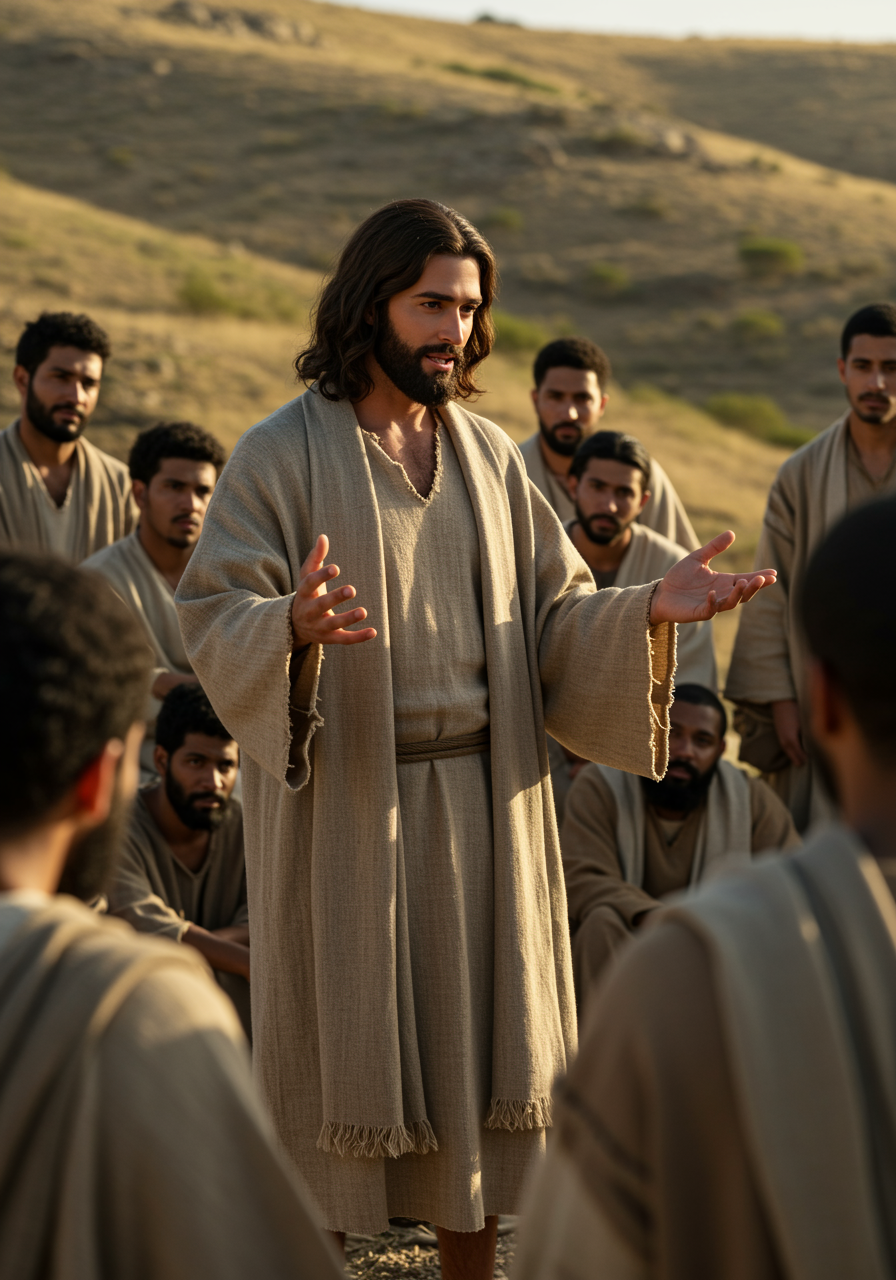
Jesus' teaching on the sanctity of human life didn't stop there. He even taught on tough topics like murder.
What did He say?
Jesus emphasized the value of human life. How? He didn't relax the command against murder.
In fact he intensified it by tracing it back to the heart of anger, contempt, and hatred (Matthew 5:21–22). In doing so, He showed what God thinks of human life. He cherishes it so much that He instructs us not even to hate a person.
In addition, He calls us to actively love our neighbors. A great example of this is the Good Samaritan. That story illustrates that real obedience means protecting and caring for all life, even life that is weak and vulnerable (Luke 10:25–37).
So loving our neighbor includes the weak, unseen, and voiceless. This would mean that the unborn who cannot speak or resist fit squarely within the class of neighbors. In this case, we are called to protect them.
This would also include those with disabilities and the aged who can't do things for themselves. They, too, are protected as vulnerable human life (Matthew 22:37–40; Proverbs 31:8–9).
The Unborn in Scripture: Known and Called by God
So let's focus on the issue of abortion for a moment. The sanctity of human life often deals heavily with this issue. So what about that? Does the Bible have anything to say about life in the womb?
Scripture speaks of the unborn as equal to the child who is later born (Psalm 139:13–16). God forms and knits a person together in the womb, knows their days, and calls prophets like Jeremiah from before birth (Jeremiah 1:5; Isaiah 49:1).
In the New Testament, John the Baptist, in his mother's womb, leaps for joy at the presence of Christ. This clearly reveals that life in the womb is not treated as an impersonal tissue but as a real, known person before God (Luke 1:39–44).
Of course, there are some who see problems with certain texts like Exodus 21:22-25. These text can be confusing at first, so we've devoted an entire page to explaining it.
For now, we'll simply state that there is no text in the Bible that supports the destruction of innocent human life, whether abortion or otherwise.
Logical and Ethical Implications for Abortion
If we sum all this up, we find that these biblical themes create a complete picture. Human life is God’s image‑bearing gift. If this is true, then the deliberate killing of innocent humans is forbidden (Genesis 1:26–27; Genesis 9:6; Exodus 20:13).
But let's take a different angle on this topic. Let's look at the logical implications by asking a few important questions.
In what other areas of life do we find it normal or acceptable to intentionally trade one innocent life for another?
Isn't that the argument for abortion? To save the mother's life, take the baby's life. To save the mother's career or financial situation, take the life of her unborn baby.
Are these valid arguments? Let's test them with a few more questions:
Is every medical prediction and diagnosis correct? The answer is a resounding no. Doctors are human and not infallible (Proverbs 24:11–12). In other words, if a doctor is wrong, a baby may die for no reason other than the whim of medical opinion.
And is it really honest to say that financial success is more important than human life? The answer once again is a resounding no. In every other area of Western culture, we find it inconceivable to trade one human life for another.
Yet, isn't that what abortion is? Many arguments pit the mother's life against the existence of the "fetus." We've fought this exact thinking in the past on other issues.
That's one reason why Christians like William Wilberforce fought against slavery so hard. All human life is valuable and shouldn't be traded for convenience or personal gain. Now, we're rehashing the same argument under different conditions.
Then there's the idea that life in the womb isn't really life. Here's the issue with this one. Other than the biblical evidence already given, we can settle this by asking another simple question:
When does human life begin?
If we can't answer that question with a 100% answer, maybe we should exercise caution when approaching issues like abortion. At the final judgement, God won't accept answers that include willful ignorance. God gave us common sense enough to figure out that when life is involved, it's always safest to err on the side of life.
Of course, the Bible is clear on this. When there is real doubt about personhood or survival, biblical wisdom defaults to protecting life, and so should we. It never tells us to risk an irreversible act that may be the destruction of someone God knows, forms, and loves (Psalm 139:13–16; Job 31:13–15).
How Do We Live Out Grace on This Issue?

Here's the difficulty. What do we do with mothers who have had abortions and now regret that choice? Do we judge them? Condemn them? Treat them as if they were worthless because of their deed?
The answer once more is a resounding no. Culture wants all of us to draw the battle lines and fight no matter what the cost.
God's Word presents a different picture.
The message of Scripture is not only law but also grace (John 1:14–17). People who have participated in abortion—mothers, fathers, medical professionals—are not beyond the reach of Christ’s forgiveness and restoration (1 John 1:7–9; 1 Timothy 1:15–16). They are valuable life as well. They have been stamped by God's image, just as we have been.
The same God who values every human life also offers cleansing and new life to those who come to him in repentance and faith (1 John 1:9). Let's convince those who are on the other side of this issue through God's grace, not through bitter contention. We should pray that God's Spirit will do the heavy lifting.
Sure. God calls his people to protect the most vulnerable (James 1:27; Proverbs 31:8–9). At the same time, He doesn't call us to maim and kill in His name. That would step over the very line we aim to preserve.
If you find yourself racked with guilt because of abortion, fly to God for forgiveness. He'll grant it every time to those who really want it.
For those of us who have been touched by grace, let's dispense grace to those who are hurting and in need, no matter what phase of life we find them.
God bless.
Important Links on This Page
The Sanctity of Life in Exodus 21
Find more Christian special occasions here.
Home is so important. So here is our homepage.
Full disclosure: As an Amazon Affiliate, links to Amazon may earn Biblephoria.com a commission on qualifying purchases. This is just one of the things we do to support this cause. Thank you for your support.
Please Support Us
Your gift helps fund Biblephoria's free online courses and study materials.
Give NowRecent Articles


-
How Do I Obey God? Lesson 3
May 26, 26 08:41 PM
 How do I obey God? I mean, if I want to do it right, where do I start? Is there a right or wrong answer to this? Let's find out together.
 -
Can God Forgive My Sins?
May 19, 26 06:11 PM
Can God forgive my sins? Can He scrub away the guilt I feel and give me what I need? Forgiveness? Let's discover the answer to these questions together. -
Why Do I Feel Guilty?
May 07, 26 12:48 AM
Have you ever wondered "Why do I feel guilty?" Guilt is a constant in the human condition. But where does it come from? What takes it away? Let's find out.




Find our Privacy Policy and User Agreement here.