
1
2
3
4
5
6
7
8
9
Score
10/10
Certificate of Completion
This certifies that you have completed the quiz:
“What Is the Church?”
Final score: 100%
Keep growing in your understanding of Christ’s church and your place in it.
Your gift helps fund Biblephoria's free online courses and study materials.
Give NowWhat is the church? Is it a building? An organization? A club? Or is it more than that? Is it something spiritual? Let's look.
But first, we've prepared a chart and a quiz to help you learn the information better here. Make sure to take the quiz so that you can absorb as much as possible.
Let's jump into the lesson.

The New Testament word translated “church” is the Greek term *ekklesia*. It literally means an assembly or gathering. It refers to people called out for a purpose (compare Acts 19:32, 39, 41).
When we talk about the church, we mean the **people** whom God has called out of the world to belong to Christ. Contrary to what most people think, it has nothing to do with a building or institution (compare Romans 1:6–7; 1 Peter 2:9–10).
What does the Bible tell us about the church? Let's look at some specifics:
Taking this all into consideration, here's a concise definition of what the Christian church is:
The church is the community of all who trust in Jesus Christ as Lord and Savior. These are believers whom God has gathered into one people to worship Him, grow in Christlikeness, and bear witness to the gospel (Acts 2:42–47; Titus 2:11–14; 1 Peter 2:9–12).
I know. Some of you may faint at the reference to "history." That's okay. I'll do my best to make it as interesting as possible. It's so important to see how the church formed. In fact, it's downright foolish to ignore where the church came from.
Let's look.
A simple overview of major eras in the life of the Christian church.
Where did it all begin? That's a fact well-documented in the Bible. Let's look a little closer.
The church began in Jerusalem at Pentecost. The risen Christ poured out the Holy Spirit on His disciples in dramatic fashion as He promised (Acts 2:1–4, 14–21, 32–33). Later, about three thousand people responded to Peter’s preaching and were baptized. All of these together formed the first Christian community that we call the church (Acts 2:37–41).
Luke sketches more for us:
Unfortunately, it wasn't all unicorns and cotton candy. Their newfound popularity vanished.
Persecution in Jerusalem soon scattered believers beyond Jerusalem. Even this was something beneficial. It resulted in the gospel spreading into Judea and Samaria, and beyond, just like Jesus instructed (Acts 8:1, 4; 11:19–21).
This scattering didn't destroy the church. It did something astounding. It multiplied it!
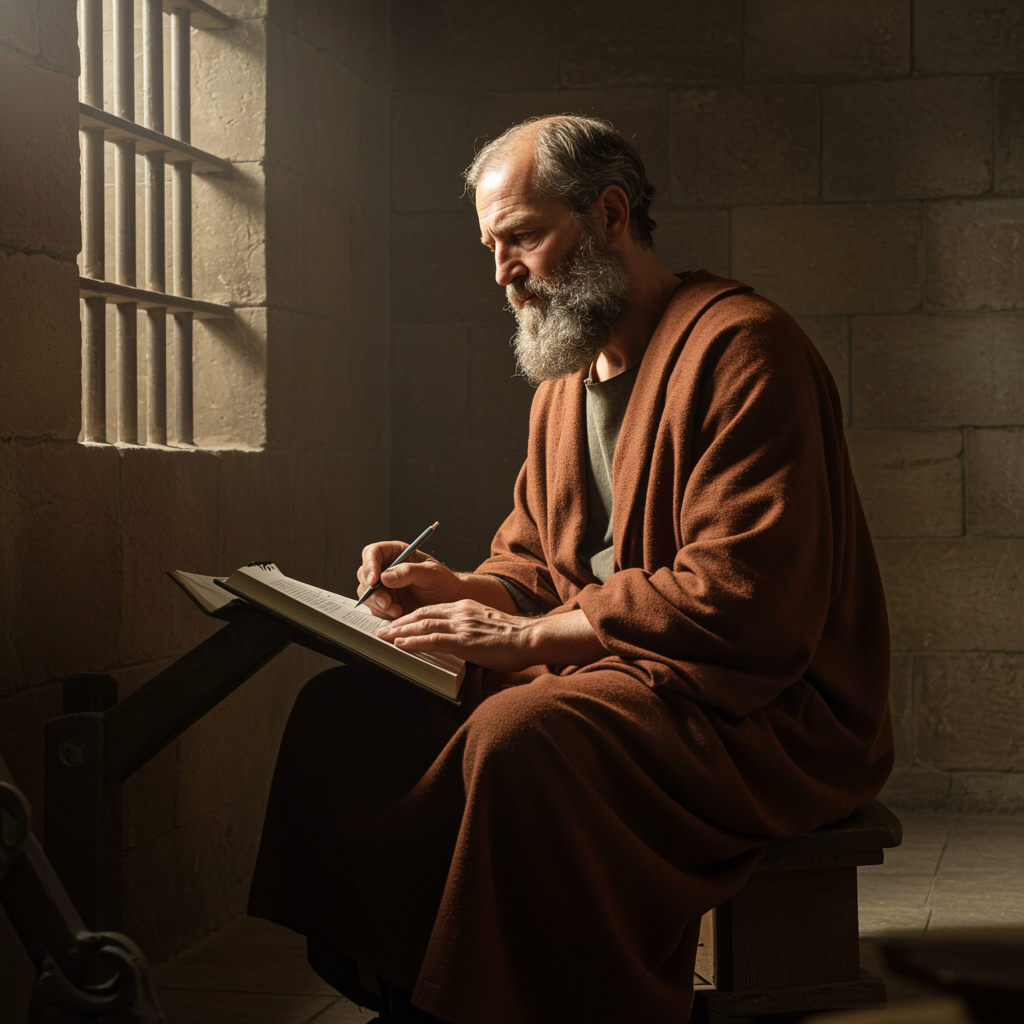
Under the leadership of believers like Peter, Barnabas, and Paul, the church took root across the Roman Empire. Soon, even non-Jews believed in Jesus and were added. They quickly became an important segment of the church.
In Antioch, a mixed Jewish–Gentile congregation soon became a key missionary sending church. This church soon became very influential in that area of the world. In fact, it was here that the disciples were first called “Christians” (Acts 11:19–26; 13:1–3). This shows that Antioch had become another headquarters for the church of that time.
Their most important missionary was a man named Paul. We know him now as the Apostle Paul. He and his coworkers preached the gospel, gathered believers, appoint elders, and thus planted churches in many cities. Philippi, Thessalonica, Corinth, and Ephesus were just a few places that felt the influence of one the church's greatest missionaries (Acts 14:21–23; 16–20; Titus 1:5).
Paul's message and methods proved effective. But that doesn't mean everything was perfect in the church. Paul's letters reveal churches with problems similar to our own.
Local churches wrestled with doctrine, morality, worship, unity, and leadership issues, just like we do today. Yet the church still found unity as they all shared one Lord, one faith, one baptism, and one God and Father (1 Corinthians; Galatians; Ephesians 4:1–6).
By the end of the first century, God had established His church throughout the Roman world. Regions like Asia Minor and Greece now had living, active congregations of believers (Compare Revelation 1:11; 2; 3).
As the church grew, so did persecution. Many churches lived under pressure from both Jewish opposition and Roman hostility (Acts 13:45–50; 17:5–9; 19:23–41; 1 Thessalonians 2:14–16; 1 Peter 4:12–16; Revelation 2:10, 13).
Yet the church grew in so many ways. It thrived through preaching, sacrificial love, and the witness of many who remained faithful, even if it meant death (Philippians 1:12–14, 20–21, 27–30; Revelation 2:10; 12:11).
What is the church? It's resilience. It's longevity. It's endurance.
How do we know this? Look at what happened after its founders passed off the scene.
After the apostles’ deaths, the church continued to develop in structure, doctrine, and mission. Don't get me wrong. It still viewed itself as the same *ekklesia* founded by Christ and the apostles (Jude 3; 2 Timothy 2:2; 3:14–17).
The difference was that God brought maturity to the infant church. God's people grew up, clarifying doctrines in Scripture and embracing the truth of what the Bible actually said.
What did the church look like at this point? Let's look:
Later, the church exploded. It experienced a profound shift from a persecuted minority to a legally recognized religion in the Roman Empire. It looked like the church would get the rest it needed after centuries of persecution.
It didn't quite go according to that plan.
As the church became more powerful, corruption set in. The condition of the church raised fresh questions about holiness, compromise, and faithfulness to Christ’s call to take up the cross and follow Him (Luke 9:23–26; 1 John 2:15–17).
Although corruption spread, God raised up His true church. Soon Reformers appeared. When their initial attempts to fix the church failed, they began preaching the true gospel outside the recognized church organization.
This led to new churches that experienced newfound spiritual growth. Soon missionary organizations arose. The printing press followed these missionaries and spread the Bible and its gospel message around the globe.
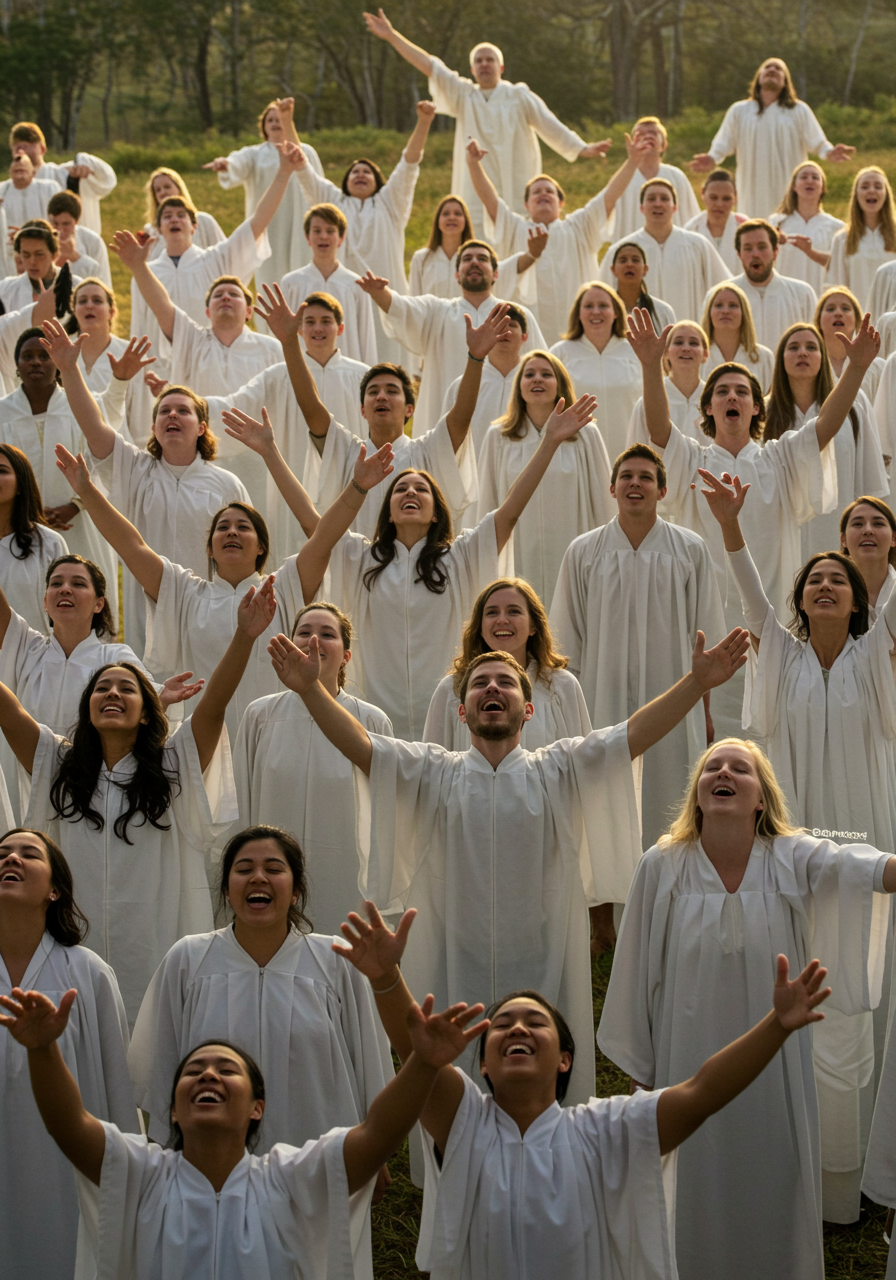
Today, the church looks a lot like it did in the first century. Of course, we probably look different from the folks in the first century. We speak different languages and our Bibles are written on different media.
Those are minor differences. At the end of the day, we worship the same God, are saved by the same Jesus and stand on the same promises that the early church did.
The church is alive and well. It's the reason why we can ask questions like "What is the church?" even now in the twenty-first century!
The church is that group of people who belong to God. We are His children. We are His temple. We are His objects of love. We are those saved by Jesus Christ alone.
Are you part of the church? Have you accepted Jesus as your Lord and Savior? If not, trust in Him today. You won't regret it because you will forever be a part of His church.
What is the church? We hope it includes you. God bless.
Test what you’ve learned about the Bible’s teaching on the church—from Pentecost to today.
This certifies that you have completed the quiz:
“What Is the Church?”
Final score: 100%
Keep growing in your understanding of Christ’s church and your place in it.

What is in salvation? It's what's in the Bible. Find out more!
The homepage is just a click away!
Full disclosure: As an Amazon Affiliate, links to Amazon may earn Biblephoria.com a commission on qualifying purchases. This is just one of the things we do to support this cause. Thank you for your support.
Your gift helps fund Biblephoria's free online courses and study materials.
Give Now


May 26, 26 08:41 PM

May 19, 26 06:11 PM

May 07, 26 12:48 AM


Find our Privacy Policy and User Agreement here.