
Please Support Us
Your gift helps fund Biblephoria's free online courses and study materials.
Give Now- Home
- Free Online Bible Study Courses
- What is the Great Commission?
- The Mission of the Church
The Mission of the Church and the Great Commission -- Lesson 3
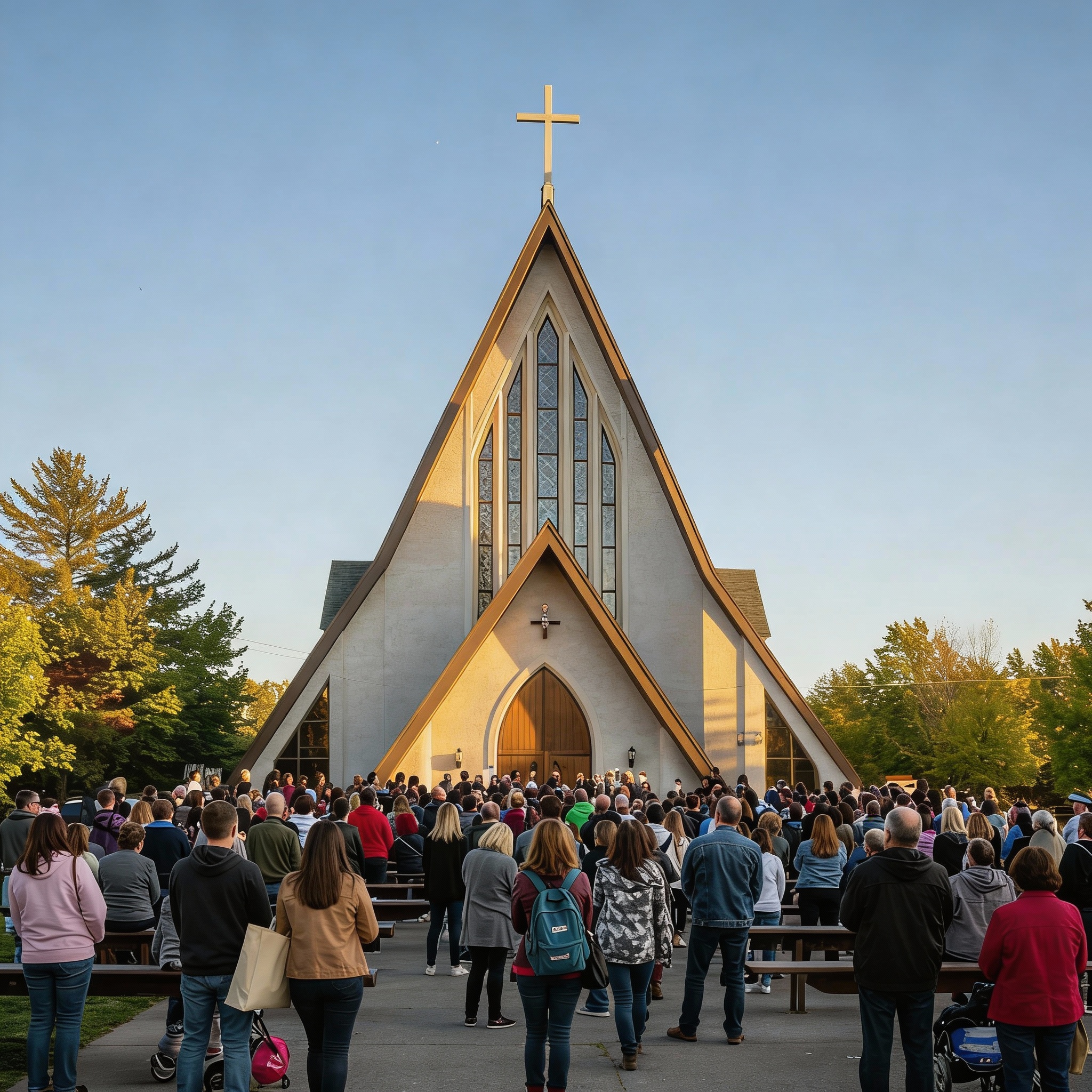
What is the mission of the church? Is it something secret? Sinister? Or is it pretty obvious?
Let's make it simple. The mission of the church is no secret. Jesus gave it to His disciples as His final orders before He left Earth.
What was that mission? We learned in Lesson 1 and Lesson 2 that it is the Great Commission.
But did the church fulfill that mission? Lesson 3 answers that question. Let's take a look.
Before we do, don't forget to take the quiz at the end of this lesson. It will help you absorb the information better.
Now, let's dig in.
How the Mission of the Church Shook Out
The book of Acts does not merely repeat the Great Commission. It shows the church actually obeying it in history. The Great Commission truly became the mission of the church.
When we read Acts alongside the command passages in Matthew, Luke, John, and Acts 1, we see how each emphasis is worked out in real-life situations. The reality of the mission of the church unfolded in real communities through real preaching and led to real suffering.
Obedience to Matthew’s Commission: Making Disciples, Baptizing, and Teaching
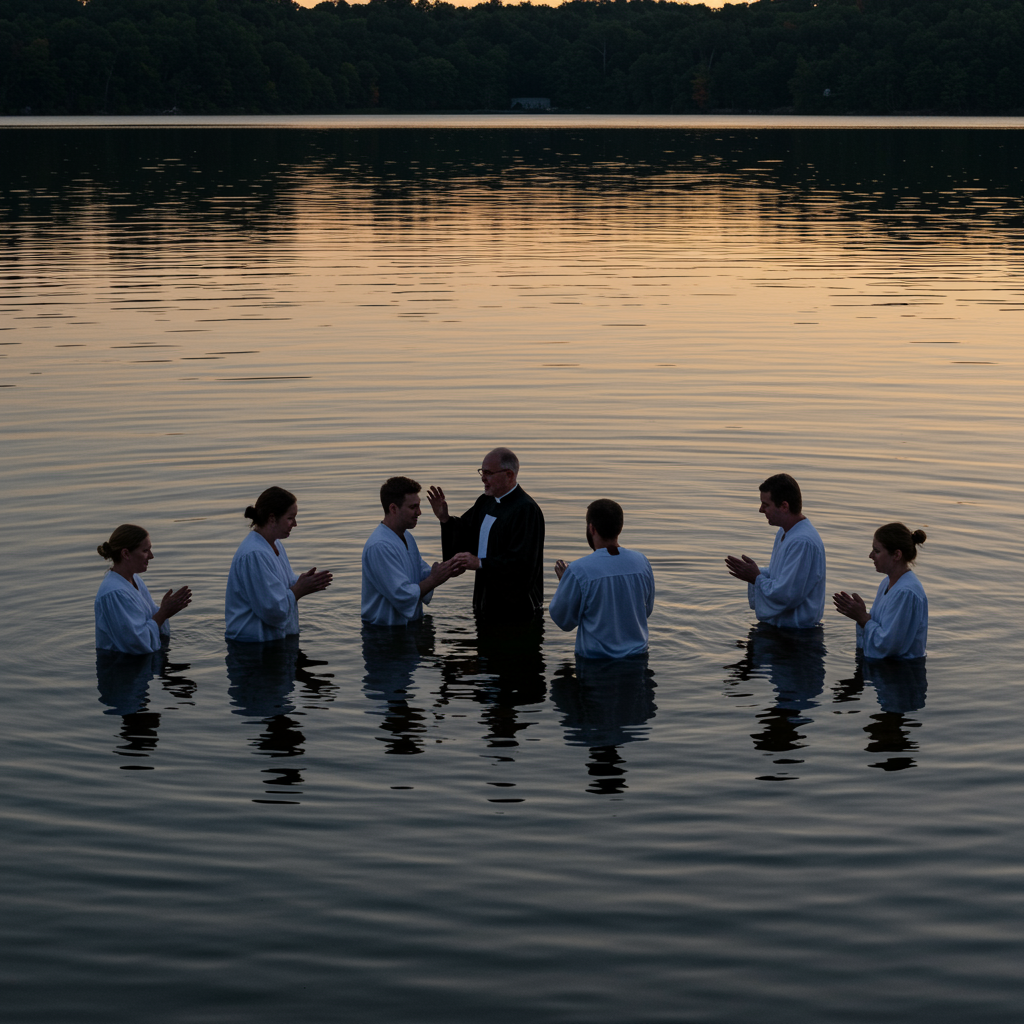
According to Acts 2, Peter’s sermon at Pentecost led to about 3,000 people being added to the church. Afterward, they were baptized in response to the message about the crucified and risen Christ (Acts 2:37–41).
These new believers then devoted themselves to living out the mission of the church. They accepted the apostles’ teaching, to fellowship, to the breaking of bread, and to prayer—a living picture of disciple‑making and ongoing instruction (Acts 2:42–47).
Sound familiar? This sounds exactly like what Matthew recorded. Jesus told His disciples to go make disciples, baptize them and teach them. That's exactly what happened in Acts.
As the narrative unfolds, we find that the church of that day began multiplying. Individuals and households across Judea, Samaria, and the wider Mediterranean world began to believe and were baptized. Many believed: Samaritans, the Ethiopian official, Cornelius and his household, Lydia, the Philippian jailer, and many others (Acts 8:12–13, 36–38; 10:44–48; 16:14–15, 30–33; 18:8).
Alongside baptism, Acts repeatedly highlights the teaching ministry of the apostles and their coworkers. They taught publicly in the temple and from house to house (Acts 5:42; 20:20). They also reasoned from the Scriptures in synagogues, in lecture halls, and in homes, building up believers in the faith (Acts 17:2–3; 18:11; 19:8–10).
Paul in particular is described as spending extended periods in places like Corinth and Ephesus, instructing and strengthening the saints (Acts 18:11; 20:31). In this way, Acts shows the church actually going, baptizing, and teaching, in line with Matthew’s Commission.
Obedience to Luke’s Commission: Repentance and Forgiveness Proclaimed
What about the other variations of the Great Commission? Did the church fulfill those details as well? Let's look.
If you remember, Luke emphasized repentance and forgiveness of sins as the core of the Great Commission. All was to be proclaimed in Jesus’ name to all nations. This emphasis is echoed throughout Acts.
Peter’s sermon at Pentecost climaxes with a call to repent in the name of Jesus and receive forgiveness (Acts 2:38). Later messages in Acts 3, 5, and 10 give a similar call (Acts 3:19; 5:31–32; 10:43).
Soon, the message of repentance and forgiveness spread beyond Jerusalem. As persecution scattered believers, they carried the word everywhere they went (Acts 8:1, 4–5; 11:19–21; 13:46–48). Eventually, the apostles preached a message confronting idolatry, which called non-Jews to turn from their sins to the living God (Acts 14:15–17; 17:22–31; 18:4).
What was the result? Luke’s Gospel vision unfolded step by step in Acts (Luke 24:47; Acts 1:8; 13:46–49).
Obedience to John’s Commission: Sent as Christ’s Representatives
John's gospel follows this same pattern. Remember, John emphasized the disciples being sent. Did they go?
According to Acts, they did. The history of the early church shows believers living as Christ’s representatives in His authority, message, and suffering.
Peter and John healed in Jesus’ name. They also preached His resurrection and faced opposition because of it, just like Jesus did. At least in this, the disciples remained true to Jesus's commission to them.
But how did they respond when things really got tough? Did they abandon the mission of the church given to them by Christ?
Hardly. Actually, just the opposite. They responded with boldness and grace in the face of the worst persecution (Acts 3:1–16; 4:7–13, 19–20).
Stephen bore witness with power and wisdom. His reward? He suffered martyrdom at the hands of the same men who crucified Jesus. Once again, this echoes the pattern of Christ’s own rejection and death (Acts 6:8–10; 7:54–60).
Paul’s life and ministry provide another vivid example of this trend. He was confronted and commissioned by the risen Jesus on the road to Damascus (Acts 9:3–6, 15–16; 26:15–18). What were Jesus' words to Him? It was the Great Commission all over again.
As a result, Paul carried the gospel to Jews and Gentiles. The result of his ministry was beatings, imprisonment and shipwreck for the sake of Christ’s name (Acts 14:19–20; 16:22–24; 20:23; 27:41–44). Yet he continued to preach Christ crucified and risen in synagogues, marketplaces, and courtrooms (Acts 17:2–3, 22–31; 24:24–25; 28:23, 30–31).
What do we take away from this? Throughout Acts, the apostles acted in dependence on the Holy Spirit as they proclaimed forgiveness in Jesus’ name. Every action they took embodied His character, even amid intense trials (John 20:21; Acts 4:13; 11:23–24).
Obedience to Acts 1:8: Witness to the Ends of the Earth
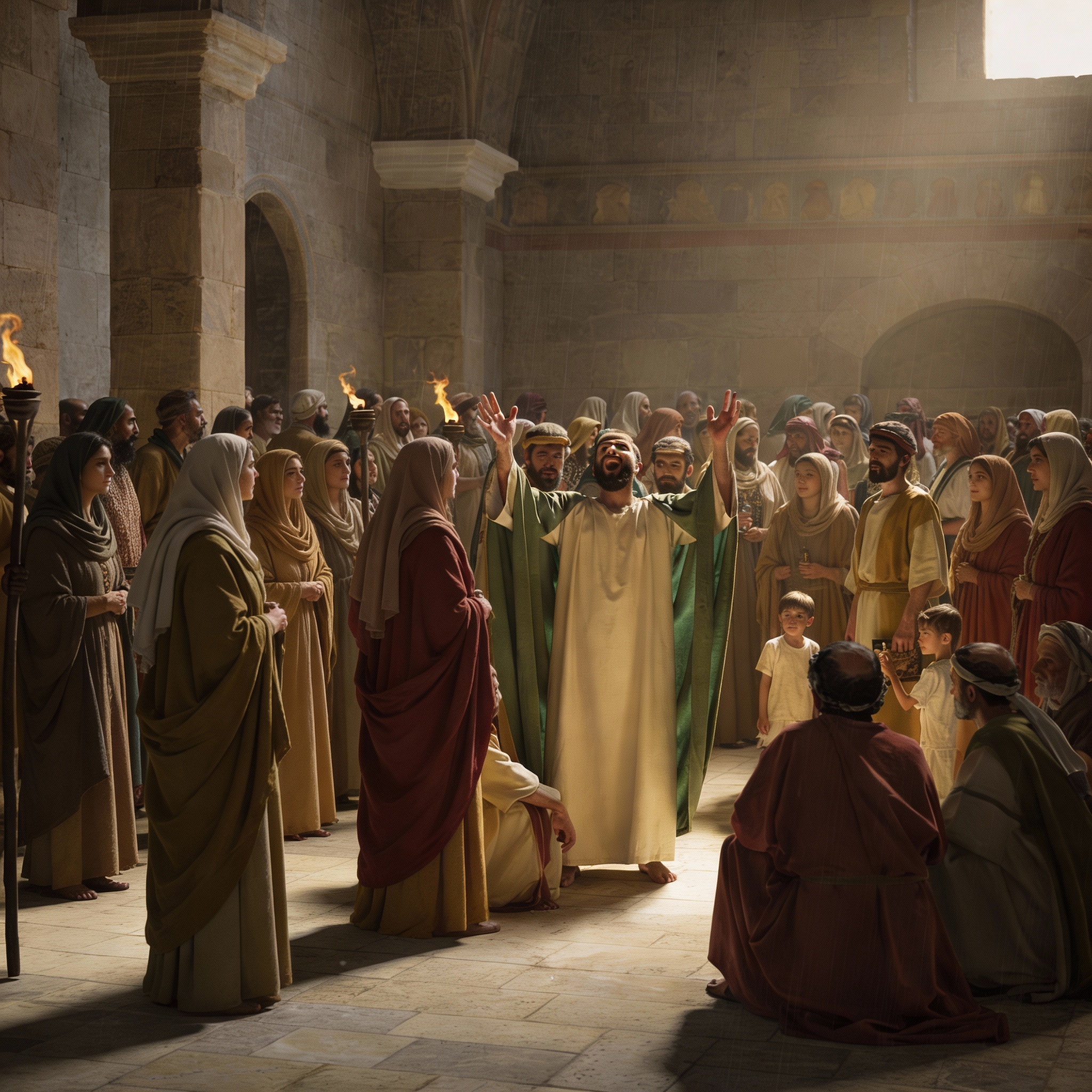
Let's revisit the Great Commission in Acts. As you may recall, this variation gave us even more details.
Here's the interesting part. Acts itself is structured around the pattern laid down in Acts 1:8. Remember what Jesus called His disciples to do. They would testify of Jesus in Jerusalem, Judea and Samaria, and finally to the ends of the earth.
That's exactly what Acts tells us they did. Chapters 1–7 focus largely on Jerusalem. Chapters 8–12 describe the spread of the message into Judea and Samaria through persecution.
From chapter 13 onward, the narrative follows Paul and his companions as they carry the gospel throughout the rest of the known world, even as far as Rome itself (Acts 13–28). Along the way, the apostles testify before all kinds of people. Synagogue leaders, city officials, philosophers, and governors heard the gospel.
Why? Because the Apostles fulfilled Jesus’ word that they would be His witnesses to the ends of the earth (Acts 13:44–49; 17:32–34; 26:19–23).
By the end of Acts, the gospel has reached the heart of the Roman world. What we find is that the mission of the church was alive and well. It continued beyond the pages of Scripture through the ongoing witness of the church (Acts 28:30–31).
| Passage | Commission emphasis | How Acts shows it fulfilled | Key Acts references |
|---|---|---|---|
| Matthew 28:18–20 | Make disciples of all nations by going, baptizing, and teaching. | The church proclaims Christ, baptizes new believers, and devotes itself to the apostles’ teaching and shared life. | Acts 2:37–47; 5:42; 18:11; 20:20–31. |
| Luke 24:44–49 | Repentance and forgiveness of sins proclaimed in Jesus’ name to all nations. | Peter and others call people to repent and receive forgiveness as the message spreads from Jerusalem to Jews and Gentiles. | Acts 2:38; 3:19; 5:31–32; 10:43; 13:46–49. |
| John 20:19–23 | Jesus sends the disciples as the Father sent Him, in the power of the Holy Spirit. | Believers act as Christ’s representatives, preaching in His name and sharing His pattern of opposition and suffering. | Acts 3:1–16; 4:7–20; 6:8–10; 7:54–60; 9:15–16. |
| Acts 1:8 | Spirit‑empowered witnesses in Jerusalem, Judea and Samaria, and to the ends of the earth. | Acts moves from Jerusalem outward as the gospel reaches new regions and, eventually, Rome. | Acts 1–7; 8–12; 13–28. |
Ongoing Significance for the Church
You're probably thinking, "Well, this is all well and good. But what about today? Does the mission of the church continue today?
The simple answer is yes. Of course, we can't leave it there.
The Great Commission isn't just a closing line in the gospels. It isn't simply something given to believers in the first century.
It defines the church’s identity and agenda in every generation. It tells us that Jesus has authority. It explains that our task is to make disciples (Matthew 28:18–20; Acts 1:8).
And where does it extend? The same as Scripture instructs: all nations. It's pretty clear it's an ongoing mission. I mean, Jesus did say until the end of the age. That sounds to me like we have this responsibility for a long, long time.
That global call continues today. Why? Because the church must continue to reproduce. Making disciples isn't optional. It's the only thing that keeps the church alive.
Living Out the Mission of the Church

For us today, the Great Commission provides a grid for everyday life decisions. How so? It invites us to see our work, relationships, resources, and time as tools for pointing people to Jesus. This is done in a number of ways: praying, giving, sending, or even going ourselves (1 Corinthians 10:31–33; Colossians 4:3–6).
The mission of the church pushes the boundaries of ministry beyond simply maintaining programs. It leads us to intentionally cultivate a spiritual garden where evangelism, baptism, teaching, and obedience to all that Christ commanded remain at the center (Matthew 28:19–20; Ephesians 4:11–16).
This keeps the church from becoming self-centered or introspective. It lifts our eyes to Christ’s global purpose and reminds us that He is with us as we go.
The question remains: How are we living out the Great Commission? Are we making disciples in the way God has equipped us to? Are we reproducing ourselves in the lives of our children, family, friends, neighbors and coworkers?
Or are we selfishly keeping the mission of the church to ourselves? The greatest message ever told. The gospel of Jesus Christ.
Don't keep it to yourself. Share Jesus with someone today who needs it.
God bless.
The Mission of the Church and the Great Commission
See how Acts shows the early church actually carrying out Jesus’ Great Commission and what that means for the church’s mission today.
Your Progress
- Acts shows the church making disciples, baptizing, and teaching in line with Matthew’s Commission.[web:89]
- The story follows Acts 1:8: from Jerusalem to Judea and Samaria and out to the wider world.[web:83][web:80]
- The Great Commission still defines the church’s identity and agenda in every generation.[web:5]

This is the last lesson. Find the mini-course homepage here.
Rounding third? Head for the homepage here!
Full disclosure: As an Amazon Affiliate, links to Amazon may earn Biblephoria.com a commission on qualifying purchases. This is just one of the things we do to support this cause. Thank you for your support.
Please Support Us
Your gift helps fund Biblephoria's free online courses and study materials.
Give NowRecent Articles


-
How Do I Obey God? Lesson 3
May 26, 26 08:41 PM
 How do I obey God? I mean, if I want to do it right, where do I start? Is there a right or wrong answer to this? Let's find out together.
 -
Can God Forgive My Sins?
May 19, 26 06:11 PM
Can God forgive my sins? Can He scrub away the guilt I feel and give me what I need? Forgiveness? Let's discover the answer to these questions together. -
Why Do I Feel Guilty?
May 07, 26 12:48 AM
Have you ever wondered "Why do I feel guilty?" Guilt is a constant in the human condition. But where does it come from? What takes it away? Let's find out.





Find our Privacy Policy and User Agreement here.